Skip to Content

Blog Archives

Cyndi Lauper’s Hollywood Bowl Salute: A Farewell, a Homecoming & a Legacy Reborn

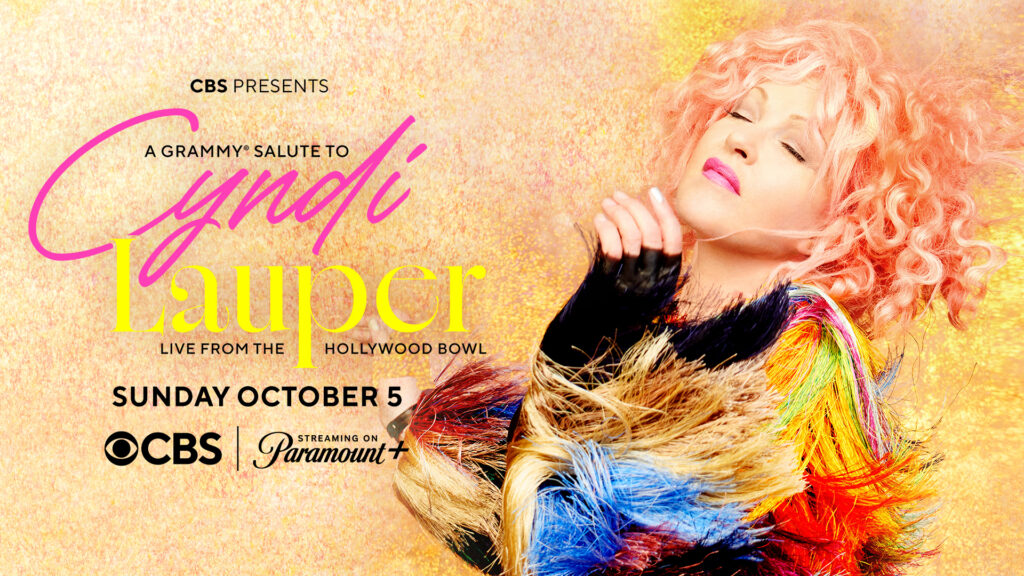
When Cyndi Lauper took the stage at the Hollywood Bowl for “A GRAMMY Salute to Cyndi Lauper: Live From the Hollywood Bowl,” it was more than a concert. It felt like a homecoming that was decades in the making. Over two nights of performances, filmed for broadcast on October 5, 2025, the special marked both the close of her “Girls Just Wanna Have Fun” farewell tour and the prelude to her Rock & Roll Hall of Fame induction later that year. It was a vibrant, emotional look back at one of pop music’s most fearless artists.

Setting the Stage: Timing, Scale, and Symbolism

Pulling off a tribute concert while the honoree is still performing is no small feat. Yet CBS, The Recording Academy, and Lauper’s team delivered something rare: a live television event that felt genuinely alive. The timing was perfect. Lauper wrapped her farewell tour with those Hollywood Bowl shows, then turned the finale into a filmed celebration of her career. Variety called it “a pleasing presentation of her farewell tour finale,” and the phrase fits perfectly.

There was symbolism everywhere. Lauper stood on one of America’s most storied stages, surrounded by artists she inspired and peers who helped shape her generation. For longtime fans, it felt like watching a circle close, while new audiences got to see why she still matters. Forty years after her debut, Lauper’s impact hasn’t dimmed one bit.

Standout Moments: Guests, Surprises, and the Emotional Peak

The show was built on collaboration and reverence. The guest list was staggering: Cher, Joni Mitchell, John Legend, SZA, Angélique Kidjo, Mickey Guyton, Trombone Shorty, and Jake Wesley Rogers. Each brought something personal, transforming the night into a living conversation between artists and eras.

When Joni Mitchell joined Lauper for “Carey,” the crowd fell silent. Lauper introduced her as “my hero,” and it showed. Billboard reported Lauper was visibly emotional, and it was clear this was not just a duet but a generational exchange between two icons.

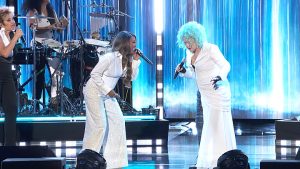
And then came Cher. Their duet on “Girls Just Want to Have Fun” was pure theater. Both wore white coats with red polka dots, echoing Lauper’s early MTV style. They laughed, traded lines, and at one point Cher grinned and said, “No, you’re the queen.” The moment was lighthearted, funny, and full of mutual respect. It was two legends sharing the same oxygen and having fun with it.

“Time After Time” with John Legend

But the emotional centerpiece was Lauper’s duet with John Legend on “Time After Time.” It was stripped-down, heartfelt, and haunting in its simplicity. No heavy effects, no overproduction—just two voices, a piano, and the kind of quiet that lets the song breathe. Lauper’s tone was tender, Legend’s phrasing elegant, and the result was an interpretation that felt timeless.

YouTube player
“Time After Time” — Cyndi Lauper with John Legend, Live From the Hollywood Bowl

It was also a reminder of how good songwriting never ages. “Time After Time” has lived many lives, but this performance felt personal, almost like Lauper was passing the torch to another generation. For musicians, it’s the kind of song you wish you had written: simple, melodic, emotionally bulletproof.

The Music as a Story

The setlist played like a career retrospective told through sound. She opened with “She Bop,” kept the energy high with “The Goonies ‘R’ Good Enough,” and then pulled the mood inward with “Sally’s Pigeons” and “I Drove All Night.” By the midpoint, “Time After Time” had the crowd swaying, phones aloft, and the finale—”True Colors” into “Girls Just Want to Have Fun”—brought everyone to their feet.

Across two nights, the arrangements changed slightly, but the feeling never wavered. It wasn’t nostalgia. It was gratitude. Lauper performed like someone who knew what her music had meant to people and wanted to give a proper goodbye.

Why This Tribute Was So Right

She redefined pop music. Lauper’s debut in the early 80s was a cultural shockwave. The sound, the look, the humor, and that unmistakable voice—all of it combined to create something new. She wasn’t built for trends; she made them. And that originality is exactly what this tribute honored.

She never stopped evolving. From “Kinky Boots” on Broadway (where she won a Tony Award for Best Original Score) to decades of touring, Lauper’s career proves that reinvention doesn’t have to mean compromise. The Hollywood Bowl special gave space for that range, letting her artistry shine beyond the pop hits.

Her advocacy is part of her art. Lauper’s True Colors United continues to fight LGBTQ+ youth homelessness, and her compassion runs through everything she does. Hearing “True Colors” performed with that in mind hits differently—it reminds you that pop music, at its best, can still change lives.

Why Bell & Field Love Playing “Time After Time”

At Bell & Field, we play “Time After Time” at almost every show. It’s one of those songs that stops people mid-conversation when they hear it from a male perspective. The chord structure is simple, the lyrics are universal, and it has an emotional truth that never gets old. Whether it’s played at a wedding, a small club, or a festival stage, it feels like everyone in the room knows what it’s about: loyalty, tenderness, and time itself. Watching Lauper and Legend revisit it only deepened that connection. It reminded us why we love playing it and why audiences keep asking for it.

The Lasting Impression

Many tribute shows rely on nostalgia, but this one did more. It showed how Lauper’s music still resonates, how her attitude still inspires, and how her songs continue to hold emotional weight. It wasn’t a memorial. It was a living document of her impact.

By the end of the night, with the Bowl bathed in rainbow lights and thousands singing “True Colors,” it was impossible not to feel the power of what she built. The message was clear: Cyndi Lauper isn’t just part of music history. She’s part of music’s DNA.
Featured Video of the Month: The Lemon Twigs – ‘My Golden Years’

The video for ‘My Golden Years’ by The Lemon Twigs grabs your attention from the first frame, bursting with retro flair and youthful energy. This track, is another of Bell & Field Music’s featured video picks that  exemplifies everything we love about great music and videos – it’s visually captivating, musically rich, and brimming with heart. The Lemon Twigs, a New York brother duo known for their genre-blending vintage sound, have crafted an infectious dose of nostalgia wrapped in modern vitality. The band channels classic rock vibes  with genuine passion.  With its uplifting melody and positive message, the track perfectly suits the hopeful spirit of spring, making it an ideal April pick.

YouTube player

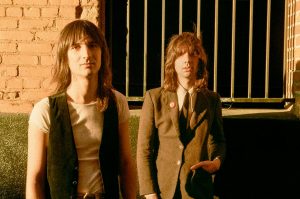
Meet The Lemon Twigs: brothers Brian and Michael D’Addario, the masterminds behind the music. Still in their twenties, these multi-instrumental siblings have been earning acclaim for reviving the sounds of rock’s golden eras. Their previous album Everything Harmony (2023) dazzled critics and fans alike with lush harmonies and timeless songwriting, and now “My Golden Years” marks the beginning of a new chapter. It’s the first single they released after that album​ and the opening track of their 2024 LP A Dream Is All We Know​. The Lemon Twigs have never been shy about drawing from the past – and that’s exactly why we love them. This band’s deep appreciation for music history shines through in every note, yet their work never feels like mere pastiche. They take the warm, familiar elements of decades past and transform them into something uniquely their own and excitingly present.

Retro Visuals and Playful Storytelling

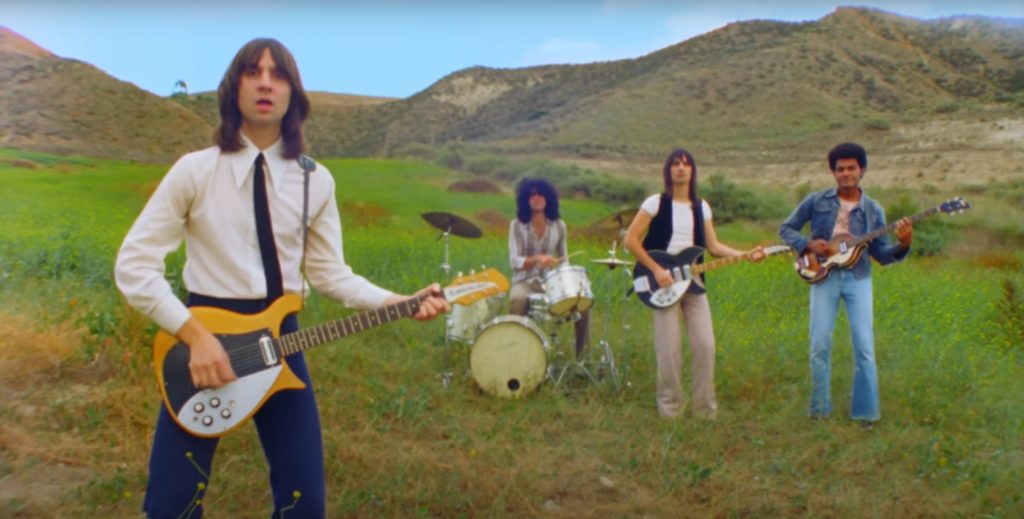
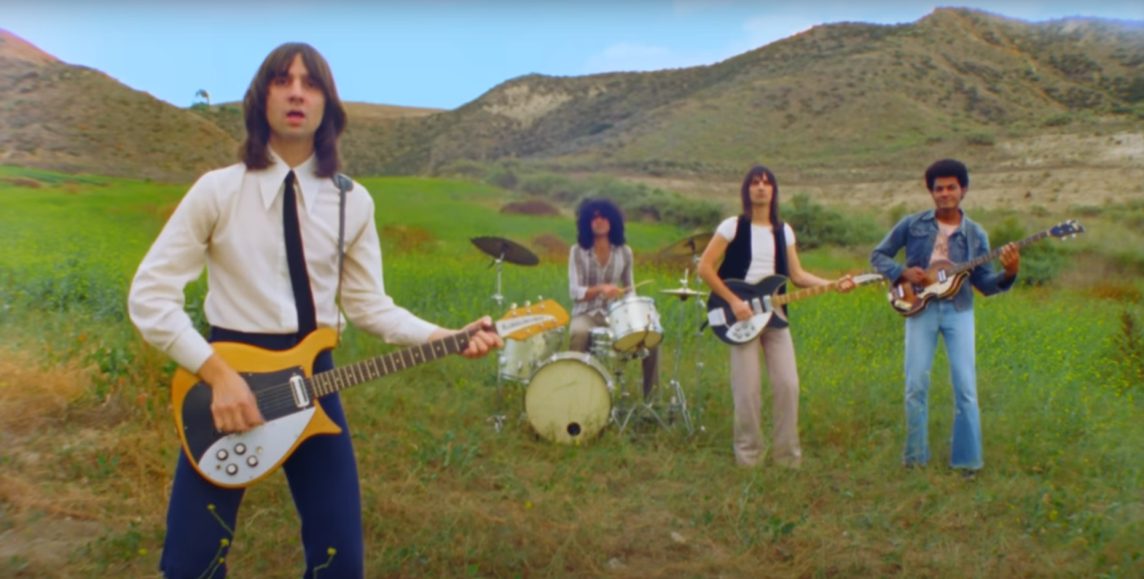
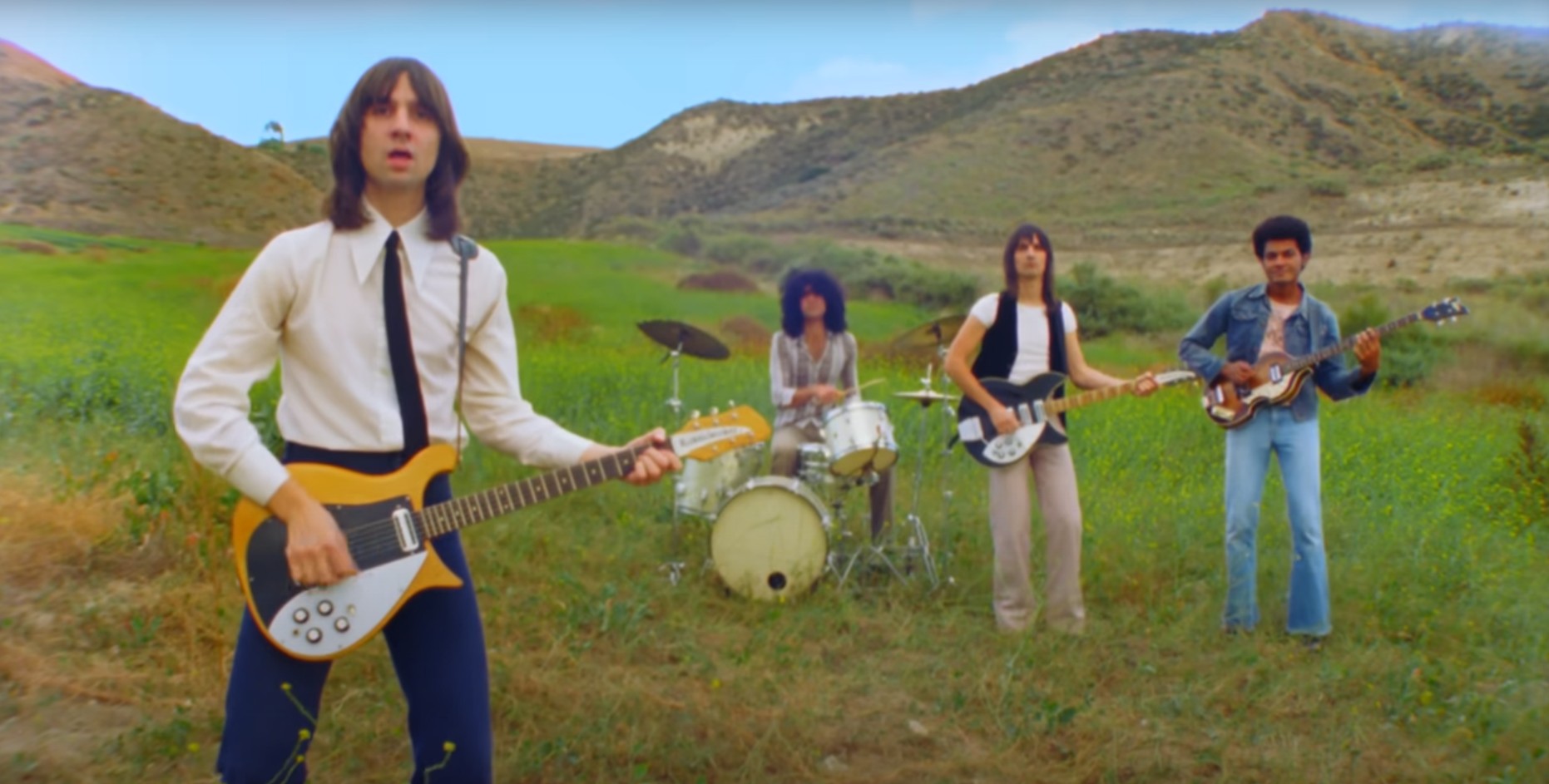
The music video for “My Golden Years” is a delightful trip back in time. Directed by Ambar Navarro, it comes across like a lost reel from the late ’60s – wonderfully comedic and unmistakably retro​. In the video, Brian and Michael (joined by their touring bandmates) portray a young rock band facing the highs and lows of chasing their dream. We see them scraping together spare change, getting evicted from a dingy apartment, lugging their instruments through town – yet doing it all with a tongue-in-cheek optimism. Every scene is imbued with a playful, almost slapstick humor reminiscent of classic band films and TV shows. (It’s no accident – the video openly nods to two of The Lemon Twigs’ biggest influences, The Beatles and The Monkees, masters of lighthearted musical comedy​.)

As the narrative unfolds, the visuals cleverly mirror the song’s themes of nostalgia and perseverance. The director explains that the “My Golden Years” video is about “looking back at the good old days, and the highs and lows of trying to make it as a band,” depicting struggles like being broke and getting kicked out, yet keeping a sense of humor throughout​. Indeed, even as the characters face rejection and hardship, they never lose their exuberance. In one moment, the brothers might be busking on a street corner; in the next, they’re thrown out of a club for playing their hearts out. But the climax is pure liberation: The Lemon Twigs find their peace and freedom performing together in an open field, strumming and singing joyously under the wide sky. It’s a cathartic, symbolic image – the band literally out in a field, no walls or limits, doing what they love. By the end of the video, you can’t help but feel uplifted.

the lemon twigs - my golden years

The visual style amplifies the nostalgia at the song’s core. Shot with a vintage aesthetic (one can easily imagine it filmed on grainy 16mm stock), the video uses colorful period costumes and cheeky sight gags that could have come straight out of a 1967 episode of The Monkees. Quick cuts, exaggerated acting, and whimsical scenarios give it a charmingly old-school feel. Yet beneath the retro fun, there’s an earnest message: appreciate the journey and keep the joy alive, no matter the setbacks. That sentiment resonates universally, which is why “My Golden Years” doesn’t just look like a throwback – it feels timely and personal. Watching The Lemon Twigs clown through their misadventures, viewers of any age can relate to the notion of striving for one’s dreams and cherishing the “golden” moments along the way.

Musicality: Vintage Sounds with a Modern Twist

Of course, a music video is only as good as the song behind it, and “My Golden Years” is The Lemon Twigs at their musical best. The track is overflowing with the kind of rich, melodic craftsmanship that characterized the pop-rock classics of yesteryear. From the first notes, a sunshiney guitar riff hooks you in​ – it’s bright, catchy, and sets an upbeat tone. Layered on top are the band’s signature harmonies, which unfold as smoothly and sweetly as a lost Beach Boys gem​. In fact, those radiant vocal harmonies and the handclap-laden rhythm give the song some serious Pet Sounds-era vibes​, transporting listeners to a time when rock music was drenched in innocence and warmth. Yet alongside the nostalgia, the Twigs inject a fresh energy: the drums have a propulsive, toe-tapping groove that keeps the track feeling lively and modern, and the chorus bursts forth with undeniable sing-along power.

Younger brother Michael D’Addario takes the lead vocals here, and his performance is a revelation. Michael’s range and expressiveness make him a perfect frontman for this tune – one moment he’s cooing softly and angelically, the next he’s belting with a raw, gritty edge. That dynamic vocal approach brings depth to the song’s emotional arc, as if he’s embodying both the tender reflection and the passionate resolve behind the lyrics. Meanwhile, Brian D’Addario adds backing vocals and deftly intertwines his guitar lines, demonstrating the tight-knit musical chemistry the brothers have honed since childhood. The arrangement is lush but never overstuffed; every guitar strum, bass groove, and piano accent is placed just so, balancing retro flourish with crisp clarity. Credit must also be given to The Lemon Twigs’ production choices – in an age of digital everything, the band famously records their music on analog tape in their Brooklyn studio, using vintage equipment to achieve an authentic warmth. You can hear that analog glow in “My Golden Years.” The recording has a tangible depth and organic quality; it doesn’t sound like a modern pastiche of old styles, it genuinely feels like a long-lost hit from the ’70s that somehow still hits fresh ears just right in 2025.

Nostalgia and Reflection in the Lyrics

The Lemon Twigs

Beneath the bright melodies and playful video, “My Golden Years” carries a heartfelt message. The title itself hints at the reflective nature of the lyrics – it’s a song about recognizing that the time we’re living in right now could very well be the best time of our lives. The Lemon Twigs have noted that the track is about “making every minute count and living up to your potential”. In their typical whimsical fashion, they even joked that perhaps “people like Mark Ruffalo or people who hike might like the song” and that it’d be a good tune for working out​. Humor aside, the essence of that statement rings true: “My Golden Years” urges us to seize the day. As Michael and Brian sing in the chorus (paraphrasing here), in these golden years, don’t let fear hold you back, because in the blink of an eye you’ll watch them fly by. It’s a sentiment that anyone can relate to, young or old.

This theme of cherishing the moment and looking back fondly is one The Lemon Twigs deliver sincerely. One reviewer described “My Golden Years” as a cheerful bit of self-reflection for the band – they seem to be acknowledging how far they’ve come and realizing that the life they’re living now will become the fond memories they reminisce about in the future. Indeed, there’s a bittersweet undercurrent to the song’s happiness: a recognition that time moves quickly and today’s experiences turn into tomorrow’s nostalgia. The Lemon Twigs manage to capture that complex feeling – a mix of joy, gratitude, and a touch of melancholy – all within a breezy three-minute pop song. It’s songwriting like this that elevates “My Golden Years” beyond just a fun retro tune. The lyrics might be straightforward, but they tap into the universal anxiety about the passage of time and the determination to make the most of it. As listeners, we’re left not only humming the melody but also reflecting on our own “golden” moments.

“My Golden Years is about making every minute count and living up to your potential… in that sense I think that people like Mark Ruffalo or people who hike might like the song. Or it could be good while you’re working out.” — The Lemon Twigs, on the inspiration behind the song.

Channeling the Classics, Yet Utterly Contemporary

The Lemon Twigs - How can I love Her MoreIf “My Golden Years” feels like a classic hit from decades ago, it’s because The Lemon Twigs lovingly channel the spirit of the ’60s, ’70s, and ’80s in everything they do – but they also manage to remain utterly relevant in today’s music scene. Growing up on Long Island, Brian and Michael were raised on the sounds of rock’s golden age. (Their father, Ronnie D’Addario, was a musician who released Beatles-tinged pop tunes in the ’70s, so you could say this music is in their DNA.) The brothers immersed themselves in records by The Beatles, The Beach Boys, The Byrds, Big Star, Todd Rundgren – if it filled the airwaves of 1965–1978, it likely influenced the Twigs. You can hear these inspirations all over “My Golden Years”: the sunny harmonies (Beach Boys), the sparkling guitars and chiming chords (Byrds and Big Star), the theatrical flourishes and melodic ambition (a touch of Todd Rundgren or even Queen). Their sound is a veritable time machine of rock-pop glory.
Yet for all its vintage flavor, The Lemon Twigs’ music never comes off as a mere nostalgia act. Part of their magic is how they recombine those classic elements into songs that feel exciting and new. As veteran music journalist Rob Sheffield observed, the Twigs “do an old school style of power pop, but they’re reaching a new audience that doesn’t associate it with old school or nostalgia at all”. In other words, young fans hearing “My Golden Years” today might simply think it’s a great song – without realizing how many retro touchstones lie under its hood – and that speaks to the band’s relevancy. They’re introducing a new generation to the joys of analog-era rock by making it their own. It also helps that the band brings a youthful exuberance and irony that modern listeners connect with. They wink at the audience just enough to say “yes, we know this is a bit old-fashioned,” but then they play their hearts out with such sincerity that you’re swept up in the moment regardless.

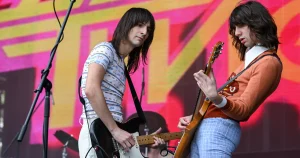
The Lemon Twigs also capture the look and spirit of those past eras in their persona, bridging the gap between then and now. On stage, they dress the part in retro outfits and unabashed rock-star flair. (Brian’s flowing hair and vintage wardrobe even prompted Michael to joke that his brother was secretly Steve Perry of Journey – and indeed, Brian does bear a striking resemblance to a young Perry​!) Their live performances are full of classic showmanship – think rock-opera dramatics, big guitar solos, even the occasional Who-style leap or Beatles bow – yet they inject a youthful, tongue-in-cheek energy that feels very “2020s indie.” It’s this balance of homage and originality that has earned The Lemon Twigs a growing fanbase and critical praise. Last year, they landed on numerous “Best of” lists and even brought their retro flair to national TV, performing on The Tonight Show Starring Jimmy Fallon (complete with old-school leg kicks). The buzz around them makes it clear: The Lemon Twigs aren’t just reviving the past, they’re reimagining it for a new era.

In spotlighting “My Golden Years” this April, we’re celebrating the bridge between eras that The Lemon Twigs so brilliantly represent. Their video is a vivid reminder that music can be a time machine – transporting us to the feel-good spark of rock’s heyday even as it thrills in the present. After taking this technicolor nostalgia trip and hearing echoes of rock history blended with something new, one thing is clear: the D’Addario brothers are living in their moment and inviting us to share it. We hope you enjoy “My Golden Years” as much as we do – a featured pick that already feels like an old favorite, and a testament to embracing our own golden moments, today and always.

Why Are People Comparing Benson Boone to Freddie Mercury?

A rising pop sensation and a legendary rock icon might seem unlikely companions in a musical conversation. Yet, fans and media alike have recently started mentioning Benson Boone and Freddie Mercury in the same breath. Benson Boone, the 22-year-old pop artist known for viral hits and an unforgettable 2025 Grammy performance, has stirred conversations about whether he could become “the next Freddie Mercury.”

Of course, Mercury—Queen’s iconic frontman—remains celebrated for his remarkable vocals, electrifying presence, and timeless songs. But why exactly has Benson Boone sparked these comparisons, and what do they reveal about both artists?

YouTube player

Benson Boone vs. Freddie Mercury: A Quick Background

Who is Benson Boone?

Benson Boone rose to fame through TikTok and a brief stint on American Idol, quickly signing with a major record label. His hit singles, including “Ghost Town,” “In the Stars,” and particularly “Beautiful Things” (which peaked at No.2 on the Billboard Hot 100), have earned him billions of streams and global recognition. His Grammy-nominated debut marked Boone as a breakout star blending emotional storytelling with contemporary pop melodies.

Who was Freddie Mercury?

Freddie Mercury (1946–1991) was the legendary vocalist for the British rock band Queen. Renowned for his four-octave vocal range, theatrical performances, and songwriting mastery (with classics like “Bohemian Rhapsody” and “We Are The Champions”), Mercury redefined the role of a rock frontman. His flamboyant style, commanding stage presence, and lasting cultural impact cemented his status as one of music’s greatest icons.

Vocal Power: Boone and Mercury Compared

Both artists share impressive vocal abilities. Mercury’s voice is legendary—his expansive four-octave range and unmatched theatricality allowed him to move seamlessly from powerful rock anthems to delicate ballads. Benson Boone, though early in his career, has shown vocal versatility with a wide range, from gentle falsettos to powerful, sustained high notes. Boone’s emotional intensity, especially in live performances of songs like “In the Stars”, draws vocal comparisons to Mercury—not necessarily for similarity in sound, but in their shared ability to captivate and thrill audiences.

However, their musical styles diverge significantly. Mercury’s eclectic rock and operatic experimentation contrast sharply with Boone’s contemporary pop sensibilities and themes of love, heartbreak, and personal growth.

Stage Presence: Charisma Across Eras

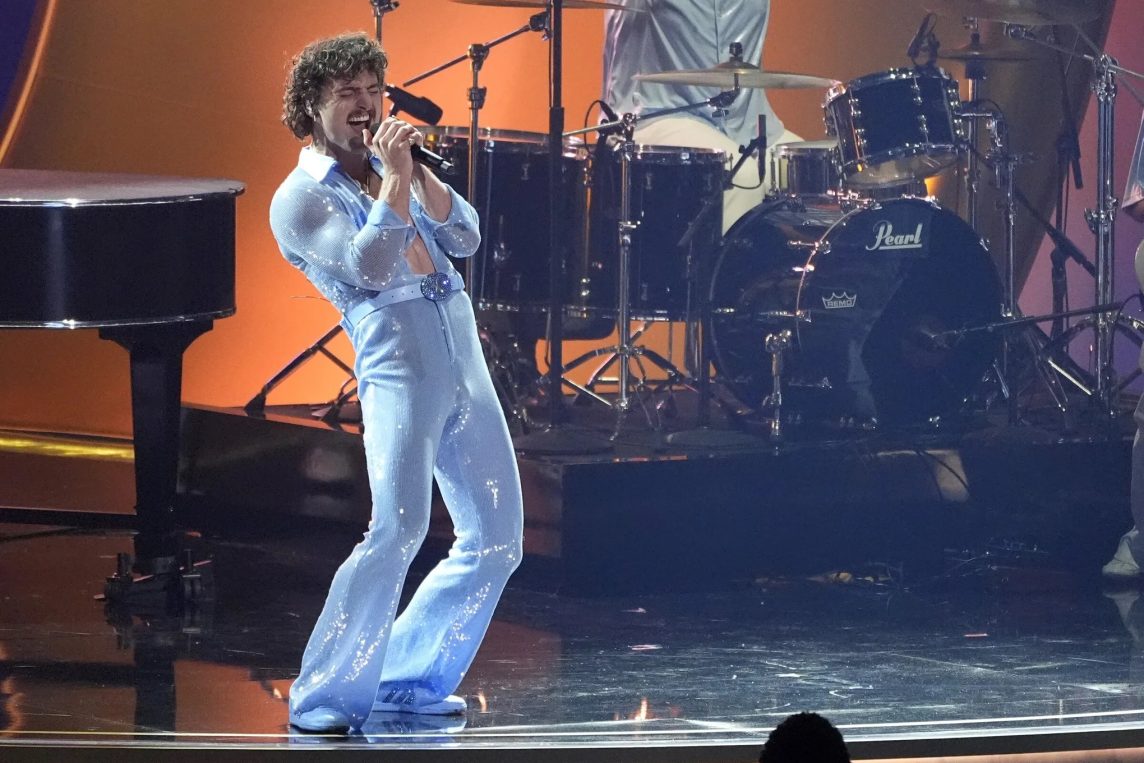
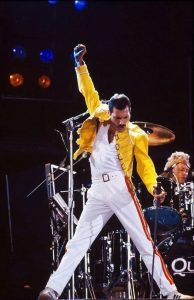
Freddie Mercury performing on stagePerhaps the strongest connection between Boone and Mercury lies in their charismatic stage presence. Mercury famously electrified stadiums with flamboyant costumes, interactive audience participation, and unmatched energy. Boone, though early in his journey, has rapidly become known for dramatic performances—most notably, performing backflips off his piano and engaging intimately with his audience.
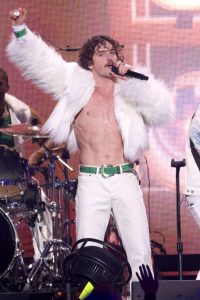
This showmanship has sparked direct comparisons. Fans have noted Boone’s raw charisma, theatrical antics, and willingness to perform shirtless or in eye-catching outfits—a visual boldness reminiscent of Mercury’s style.

Yet, key differences persist. Mercury’s theatrics were rooted in camp, drama, and cultural rebellion. Boone’s performance style, though dynamic, aligns more closely with today’s pop culture norms—bold yet accessible, less provocative, and more relatable to his generation.

Cultural Impact: Different Times, Different Legacies

Benson Boone performing on stageFreddie Mercury’s impact transcends music, breaking cultural barriers around gender and sexuality at a time when society was far less accepting. His legacy remains monumental—immortalized by global hits, statues, films, and continued cultural reverence. Boone, emerging in the era of TikTok and viral streaming, navigates a vastly different landscape. While he’s achieved remarkable early success, Boone hasn’t yet faced (nor likely will he replicate) the groundbreaking cultural challenges Mercury overcame.
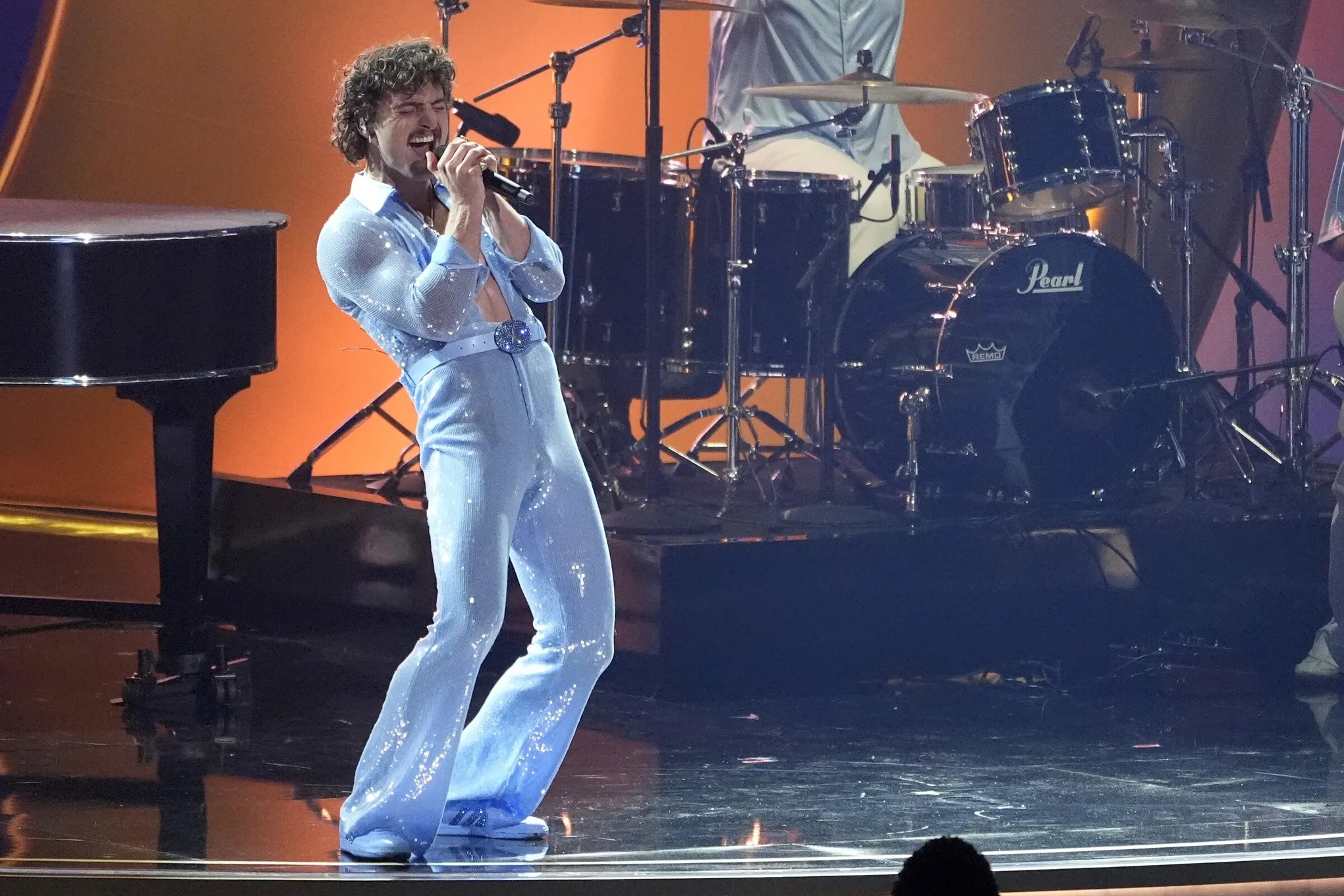
Still, Boone’s connection to fans through social media, openness in handling public feedback, and genuine interactions exemplify how artists today create influence differently—more immediate and personal, but perhaps less culturally seismic than Mercury’s legacy.

Benson Boone’s Own Words

“I don’t want to be the same as Harry Styles and Freddie Mercury… I’m Benson Boone! I’m completely different.”

In interviews, Boone acknowledges and appreciates comparisons but emphasizes a desire to remain authentic and unique. He openly respects legends like Mercury but is clear: he aims to define his own legacy.

Conclusion: Mercury’s Irreplaceable Legacy and Boone’s Bright Future

The comparison between Benson Boone and Freddie Mercury arises from genuine admiration of powerful vocals and dynamic stage performances. While Boone has demonstrated charisma reminiscent of Mercury, the comparison underscores just how singular Mercury’s legacy is. As Queen’s Adam Lambert aptly states, “There’s no replacing Freddie.”

Rather than calling Boone “the next Freddie Mercury,” fans might better appreciate Boone as a promising, exciting new talent who embodies some of Mercury’s captivating stage presence. Both artists should be celebrated individually—Freddie Mercury as an irreplaceable icon, and Benson Boone as a talented performer forging his own path in contemporary music.

In celebrating both, we recognize that while Freddie Mercury remains uniquely legendary, Boone represents the ongoing, exciting evolution of music and performance—capturing a new generation with echoes of past greatness, yet distinctly his own.

title_goes_here