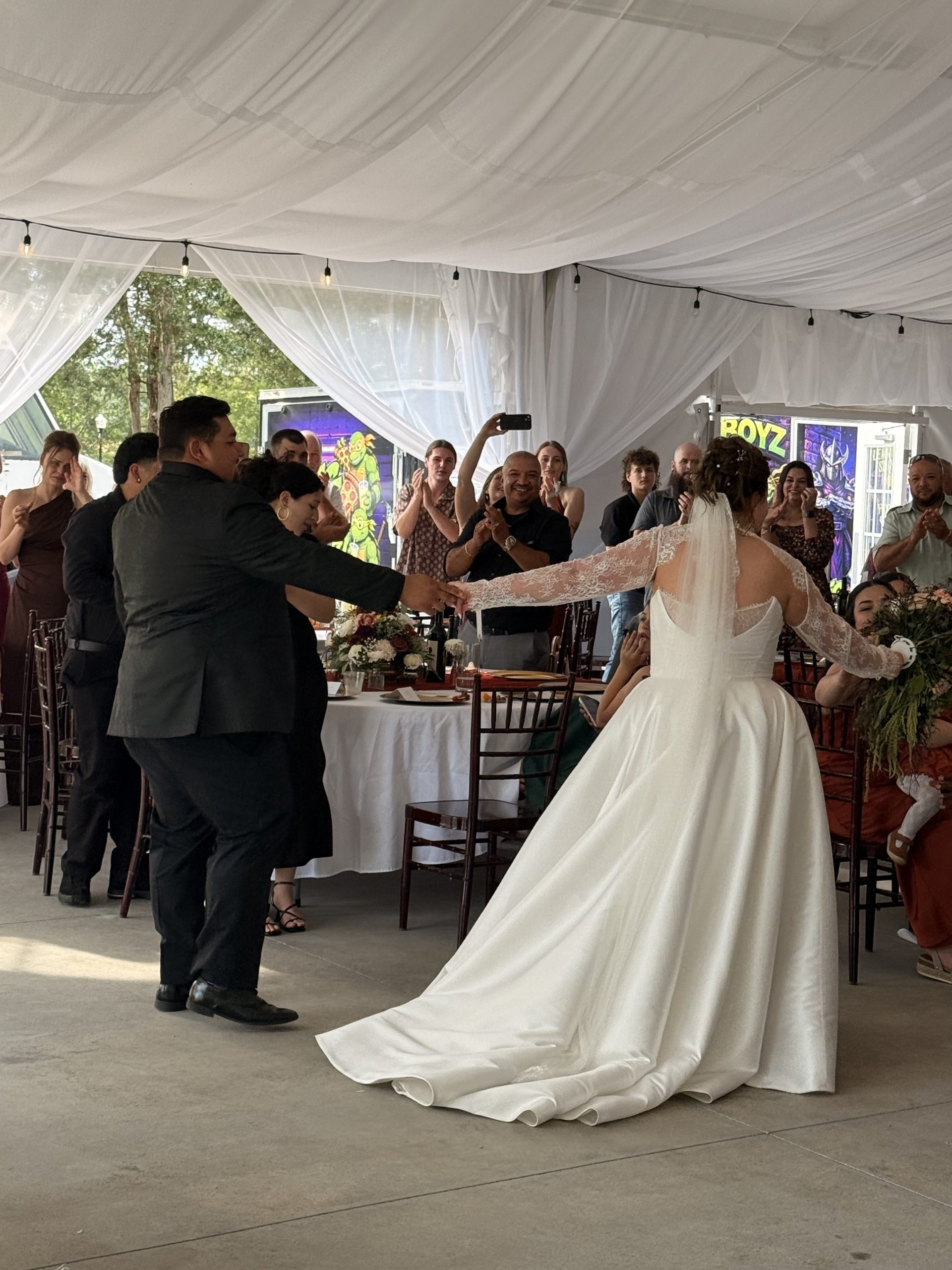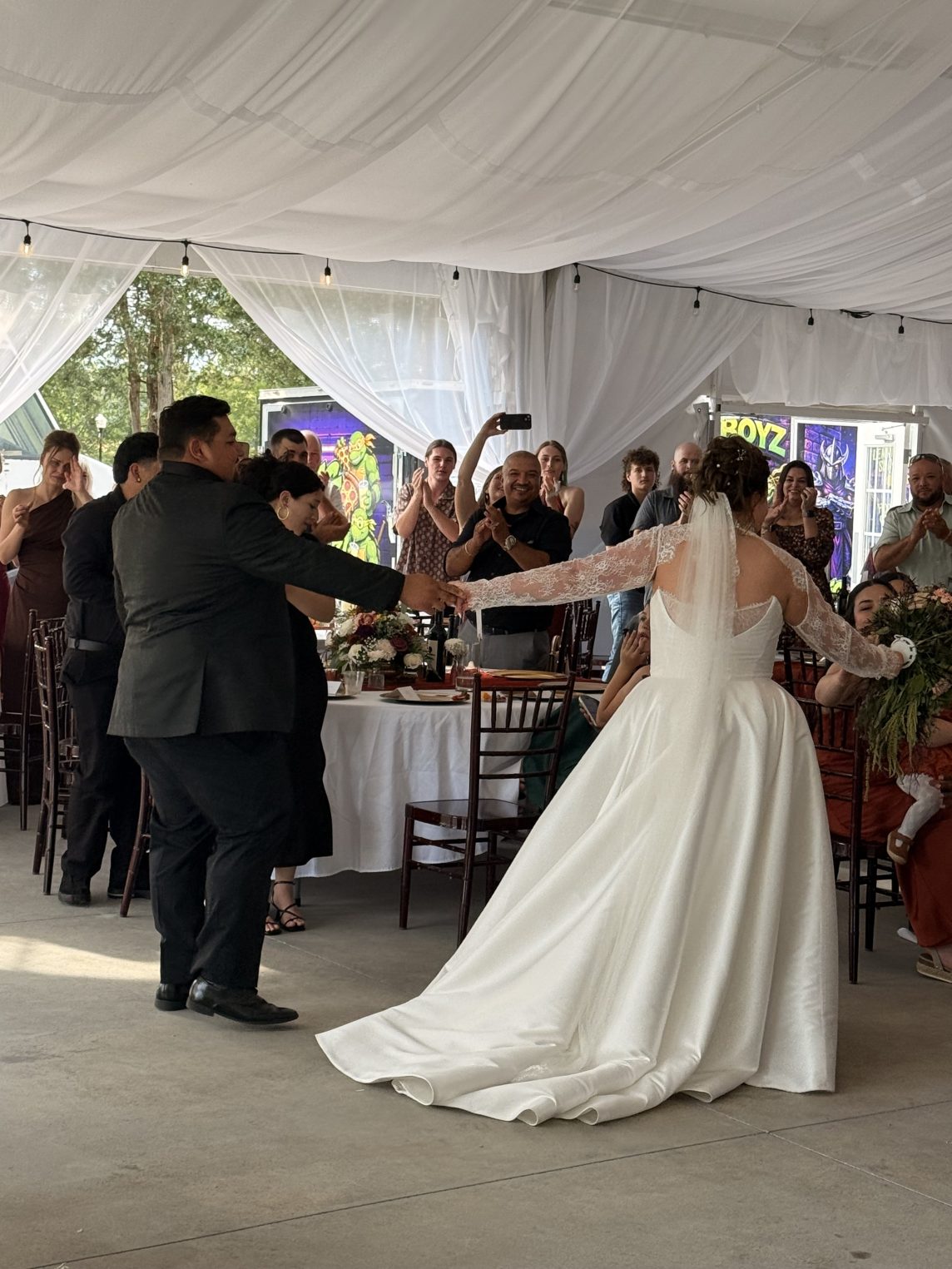
Our first wedding as Bell & Field began, appropriately enough, with hundreds of feet of extension cable.
We have played together for years, but weddings come with their own particular set of rules. The details matter. The timing matters. And when the ceremony area is a considerable distance from the reception tent, the extension-cord department suddenly matters very much indeed.
Fortunately, we had arrived prepared to become a small electrical utility with guitars.
Two Systems, One Very Long Power Run
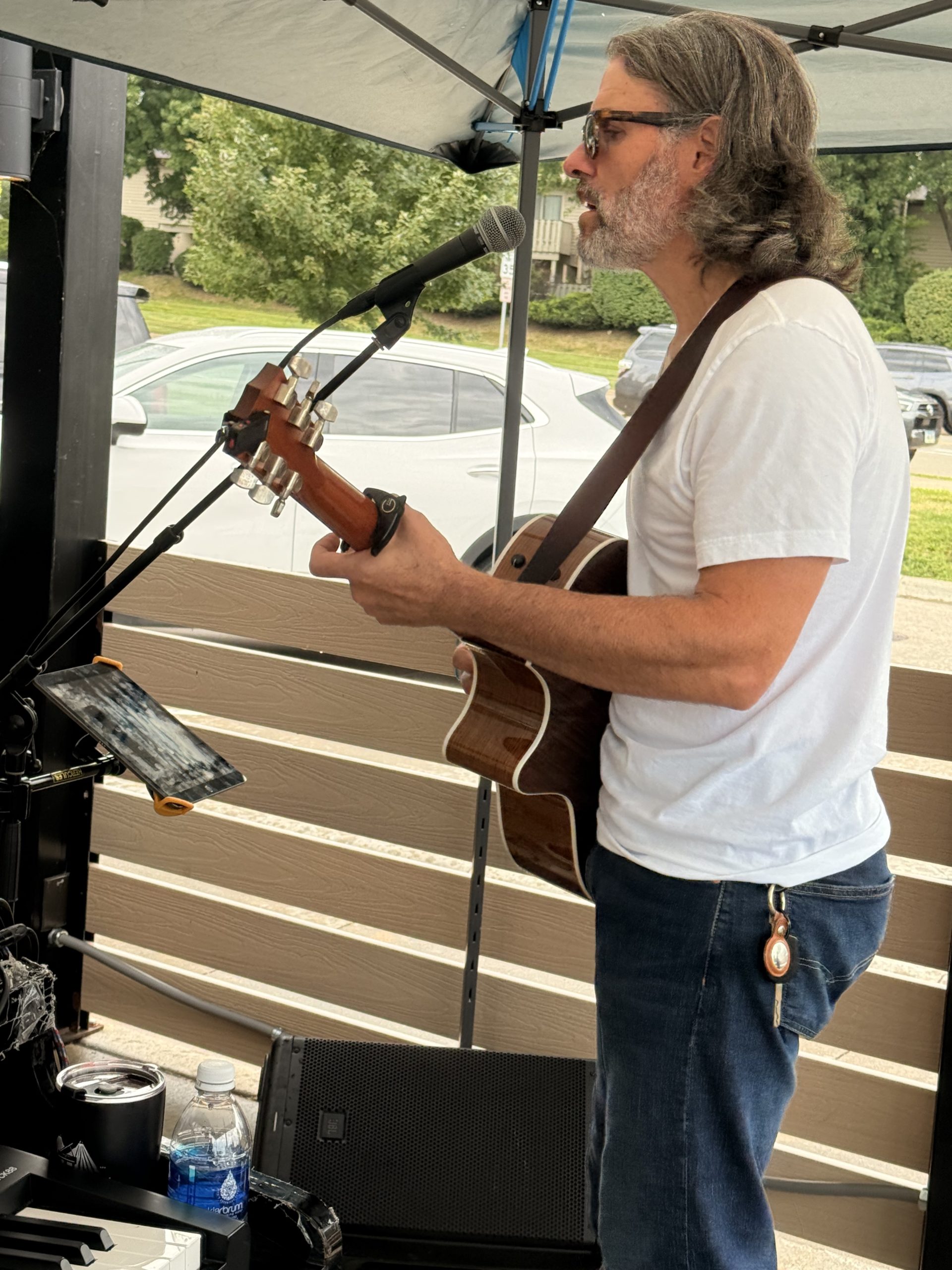
We set up two separate sound systems: Greg’s older Bose tower inside the reception area and Tom’s tower outside for the ceremony. We also supplied a microphone for the officiant and handled the recorded ceremony music, which meant this was never going to be one of those stroll-in, plug-in and start-playing afternoons.
The ceremony and reception spaces were far enough apart that our collection of cables finally got the chance to justify the amount of room it occupies. Somewhere in every musician’s gear pile is an item that seems excessive right up until the exact day it becomes essential. On this occasion, it was several hundred feet of extension cord.
Summer was operating at full strength during setup. Caterers, DJs, florists, photographers and musicians were all working in the heat, and the reception tent was especially warm before the fans came on and some of the panels were opened. Once that happened, conditions improved considerably. Until then, we were sweating through the glamorous portion of live music: carrying equipment for setup.
The ceremony went well. Music was queued on time for the entrances and exit, and the microphone was in place for the officiant. Afterward, we moved into live music for the cocktail hour. The playing felt comfortable and solid.
Tower Envy Arrives at the Wedding
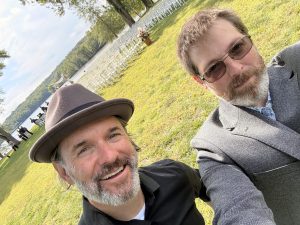
The day also produced a small development in our ongoing equipment saga. We have been using our two systems together a bit more often, but Greg was surprised by how evenly Tom’s tower handled the sound outside. It performed extremely well and, unlike Greg’s older Bose tower, it has Bluetooth.
This is how gear upgrades begin. Not with a grand plan or a careful household budget, but with one musician looking across a ceremony area at the other musician’s newer tower and realizing technology has continued moving forward without him.
Greg’s Bose still did its job inside the tent. Nevertheless, the seed had been planted. Hundreds of feet of cable had carried power across the grounds, and one tiny Bluetooth feature had carried Greg directly into thoughts of an upgrade.
The wedding itself was a festive occasion, and Tom found the ceremony inspiring. He also had the chance to catch up with friends he had not seen in some time. For our part, the unusual combination of recorded ceremony cues, two sound systems and live cocktail music made the afternoon different from our usual jobs—and reinforced just how much communication and preparation weddings require.
Dinner, a Beer and an Extremely Specific Memory
After we packed up and the DJs took over, we called an audible. We were close to Geneseo, so we stopped at RaeLynn’s for dinner and a beer. Tom and Greg do not often have a beer together, but after the long setup and the summer heat, this one was especially refreshing.
Post-show meals are where the second half of the gig happens. The equipment is finally out of our hands, there is food on the table, and we can run through ideas without also checking a cable path or wondering whether a reception-tent fan is about to come on.
This particular stop also supplied one of those reminders that a musician’s past is never entirely past. A member of the waitstaff recognized Greg from a dueling-piano show roughly five or six years earlier. This was from the pre-beard era, when his hair was probably longer, which made the recognition impressive enough.
Then came the truly durable detail: she remembered that the final song from that old show had been WAP.
Of all the songs and all the performances that might follow a person through the years, sometimes history selects one on your behalf. Greg hates admitting that particular closing number, but apparently the archival record remains alive and well in Geneseo.
By the end of dinner, we had landed on the same takeaway from our first Bell & Field wedding: we would like to play more of them. The day demanded extra planning, extra equipment and enough cable to reach the next county, but it also gave us a new kind of job to build toward.
If you are planning a wedding or another gathering and think an acoustic duo might fit, you can take a look at booking Bell & Field. We’ll bring the music—and, if necessary, a truly unreasonable quantity of extension cord.
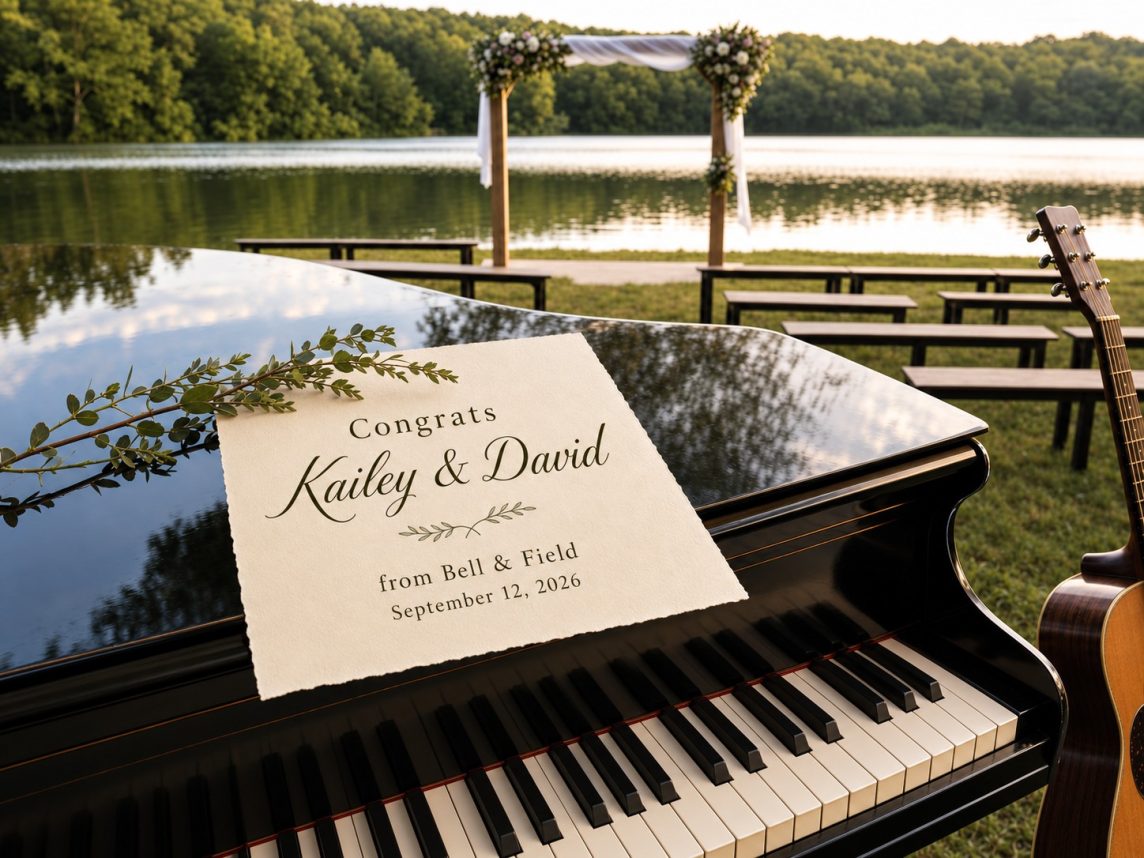
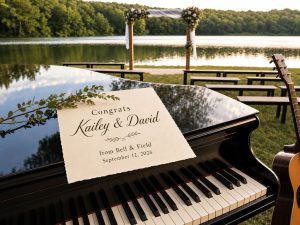 If you’re spending a late-summer Saturday catching up with friends and family, this one fits right into that kind of day. It’s the sort of afternoon where people are still finishing coffee, getting dressed, helping set out centerpieces, and suddenly it’s time to walk down an aisle and celebrate love and family.

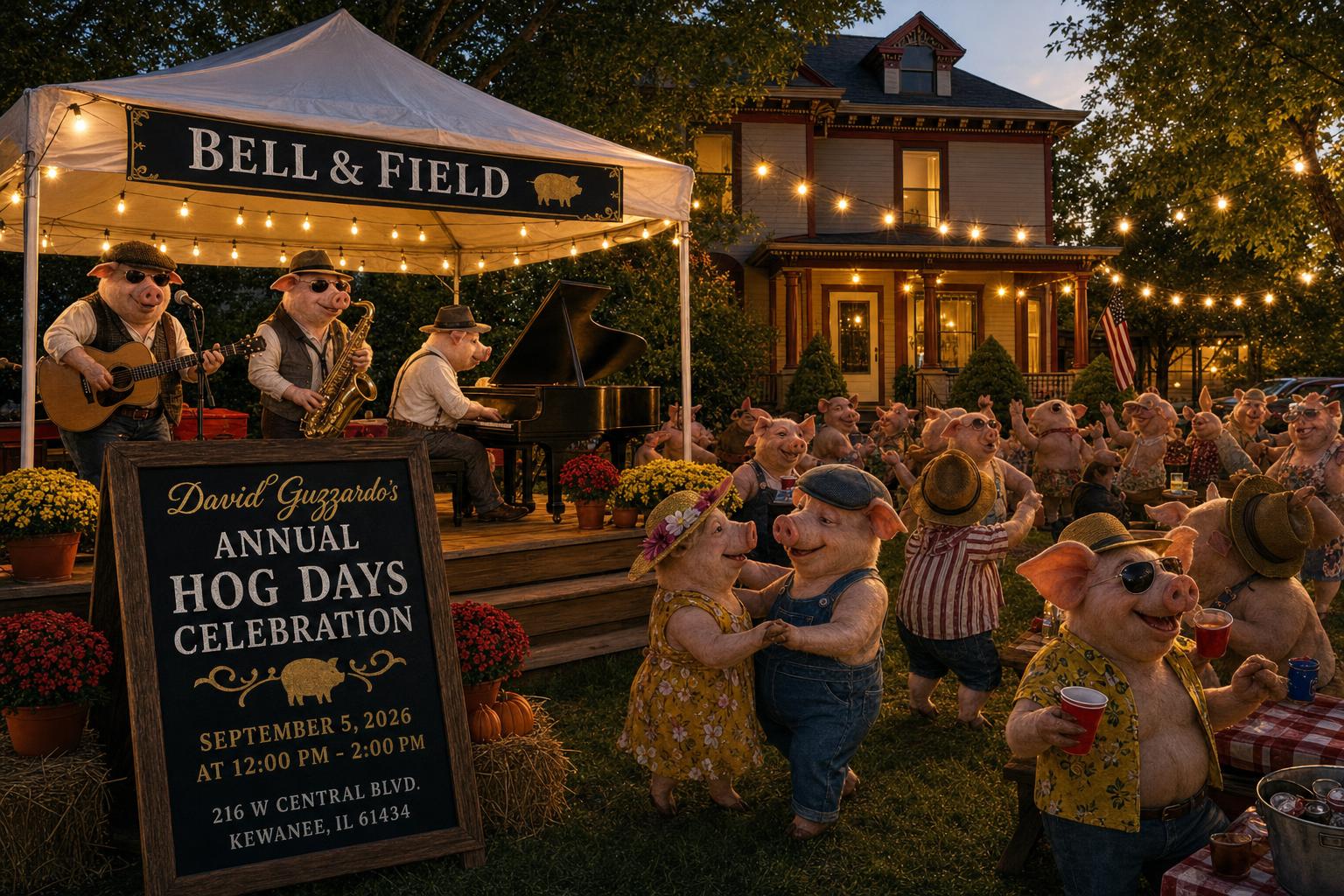
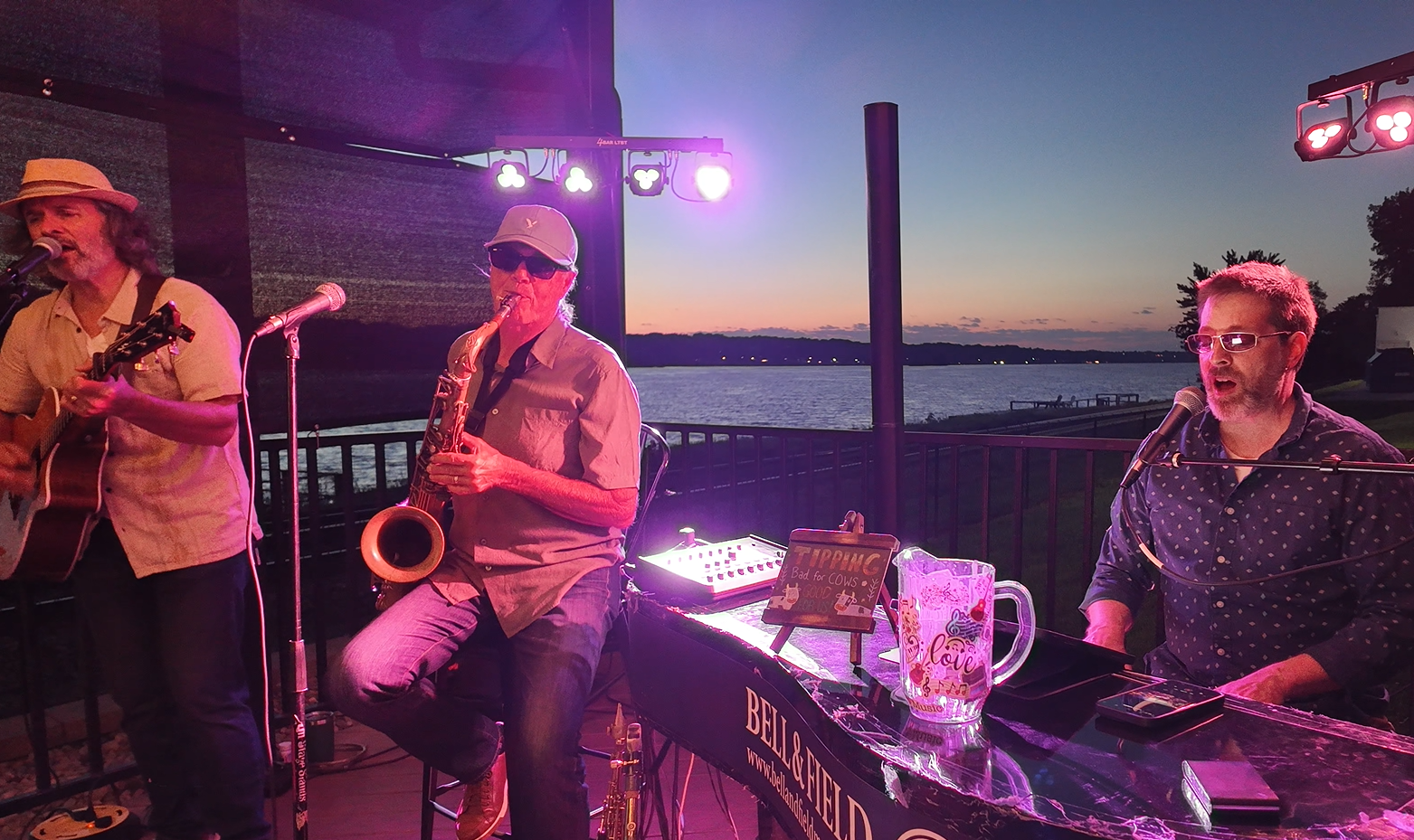
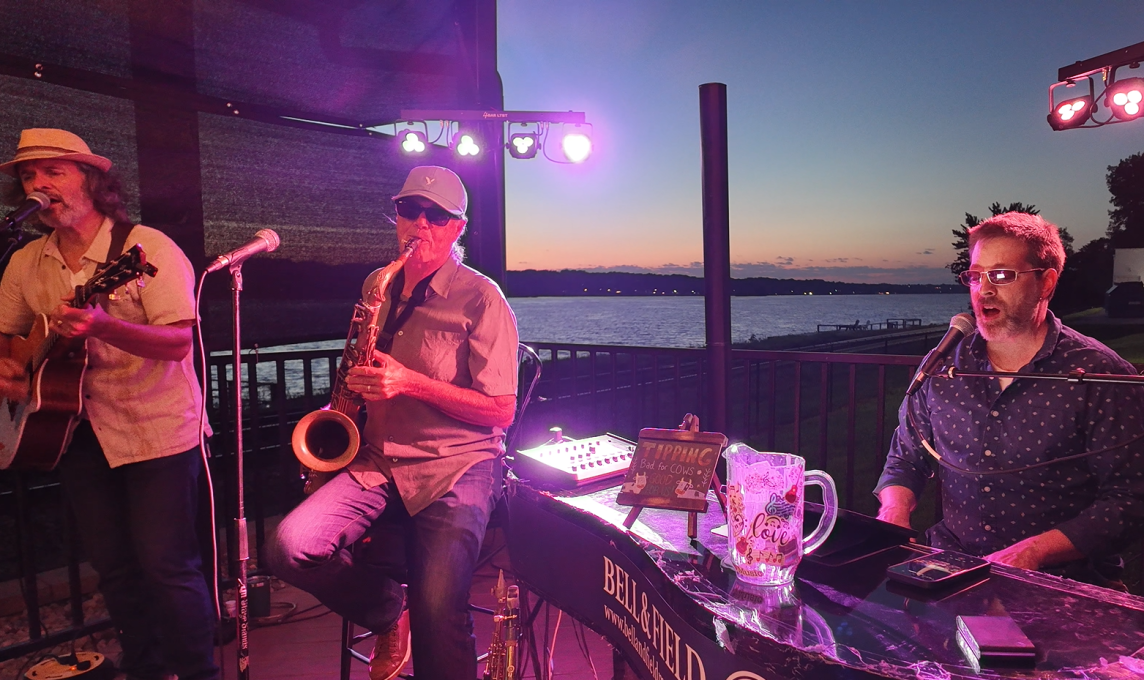
 The musical portion of our first Bell & Field appearance at Kewanee Hog Days involved guitar, piano, sax, two speaker towers and no feedback problems. The post-show portion involved three grown musicians packed into a carnival rocket ship while Tom stared intensely at a tuft of hair on the back of Greg’s head.
 Sunday arrived with nearly ideal weather, especially after the incredible heat the day before. A breeze moved through the Chop Tent, the temperature stayed comfortable, and our little corner had just enough room for the three of us and our gear.


 Tom and Paul kept playing while I recovered. They used the unexpected duo time to try songs we don’t normally play as a trio, including Can’t Help Falling in Love, All I Have to Do Is Dream and Elvis Presley Blues. The songs went over well, giving the afternoon a musical detour rather than simply leaving a piano-shaped hole in the set.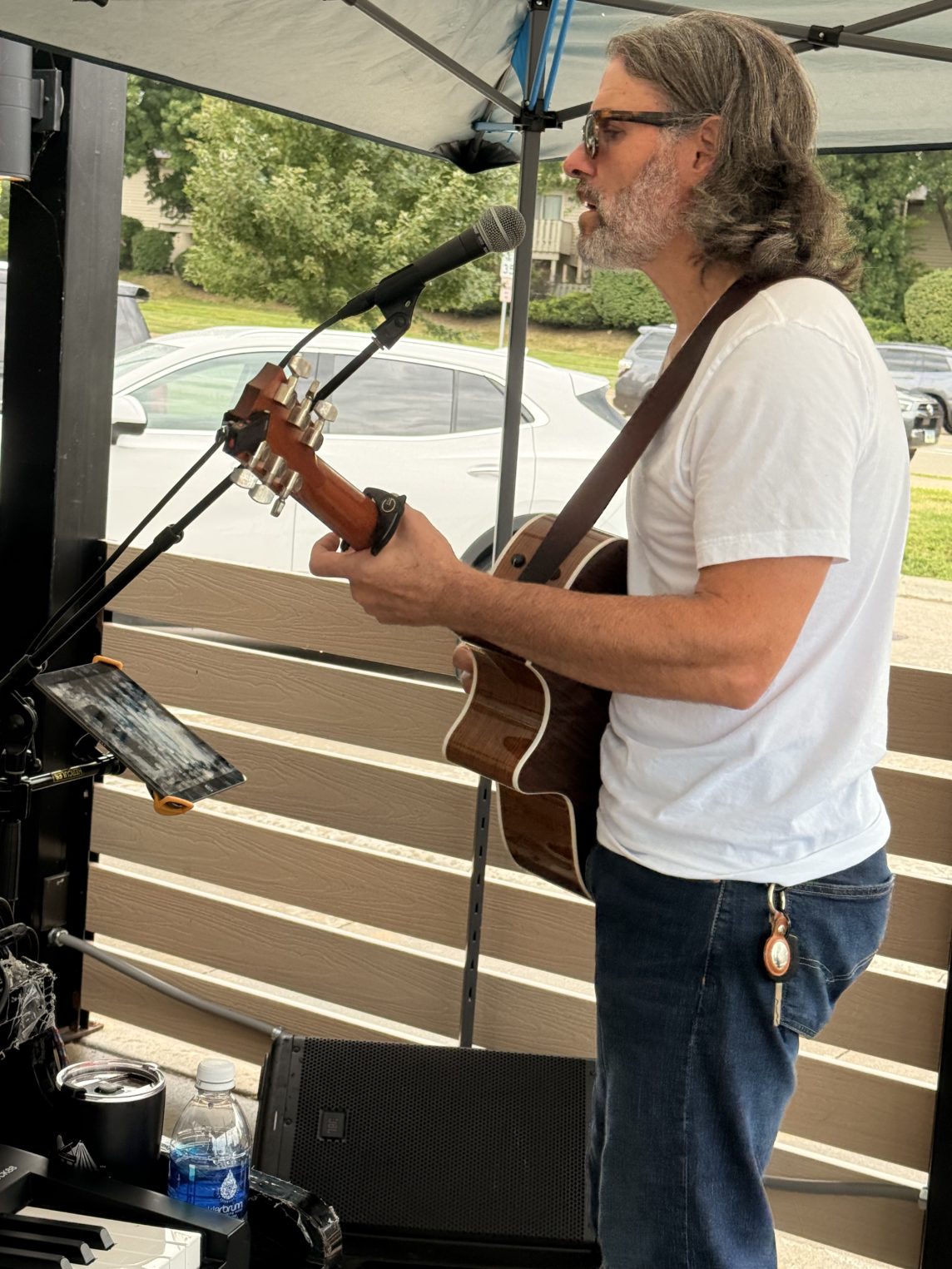
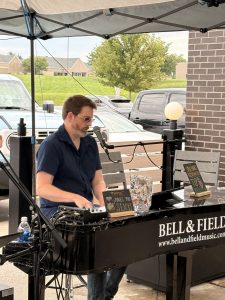 The rain arrived about 45 minutes before our 1 pm start at Edison’s Gastropub, which is excellent timing if you are a cloud and less useful if you are carrying instruments.
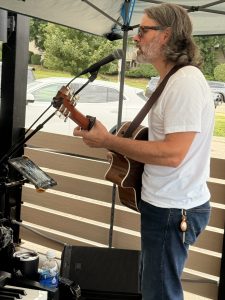 The intermittent rain continued through much of the set. By the final notes of Tiny Dancer, the weather had supplied nearly every variation available between damp and slightly less damp.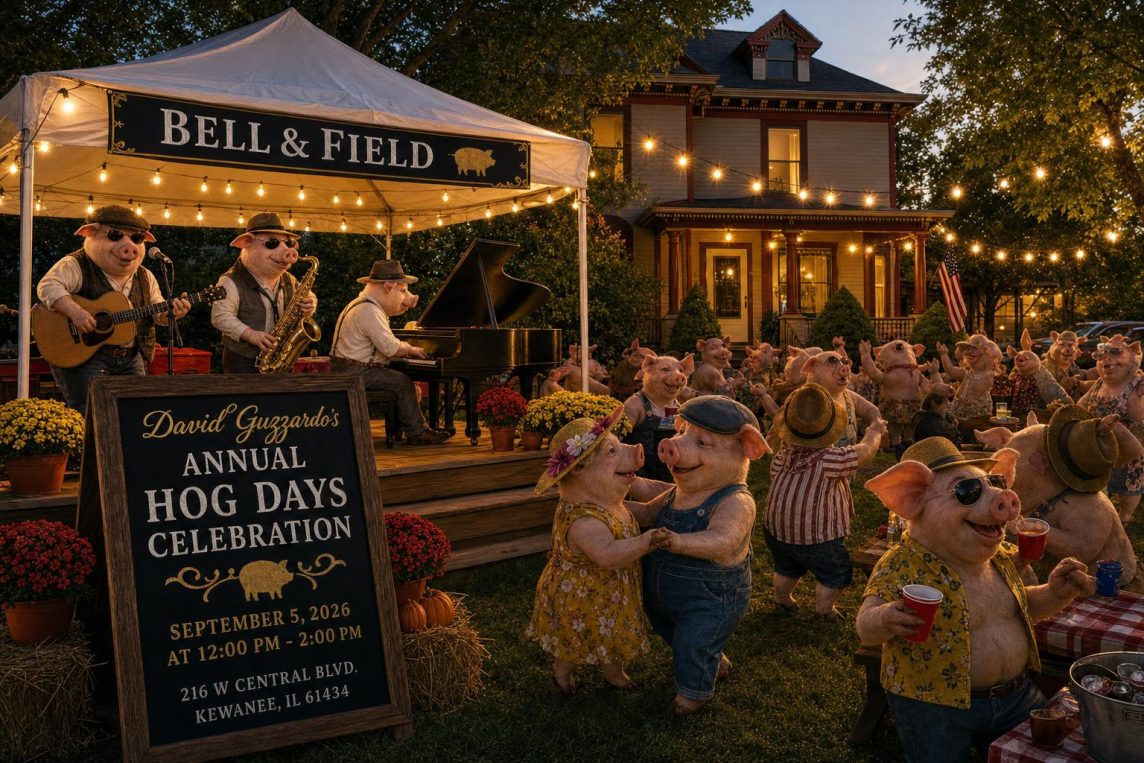
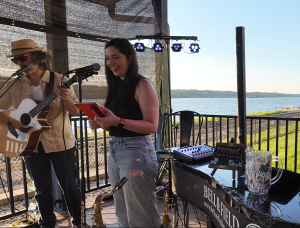 Then Greg and Payton performed Goodbye Yellow Brick Road. A few nerves showed through, but the performance was sublime. Payton did great on both songs, and she is looking forward to learning more material with us and making more appearances.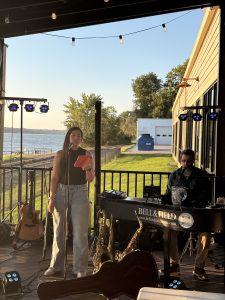
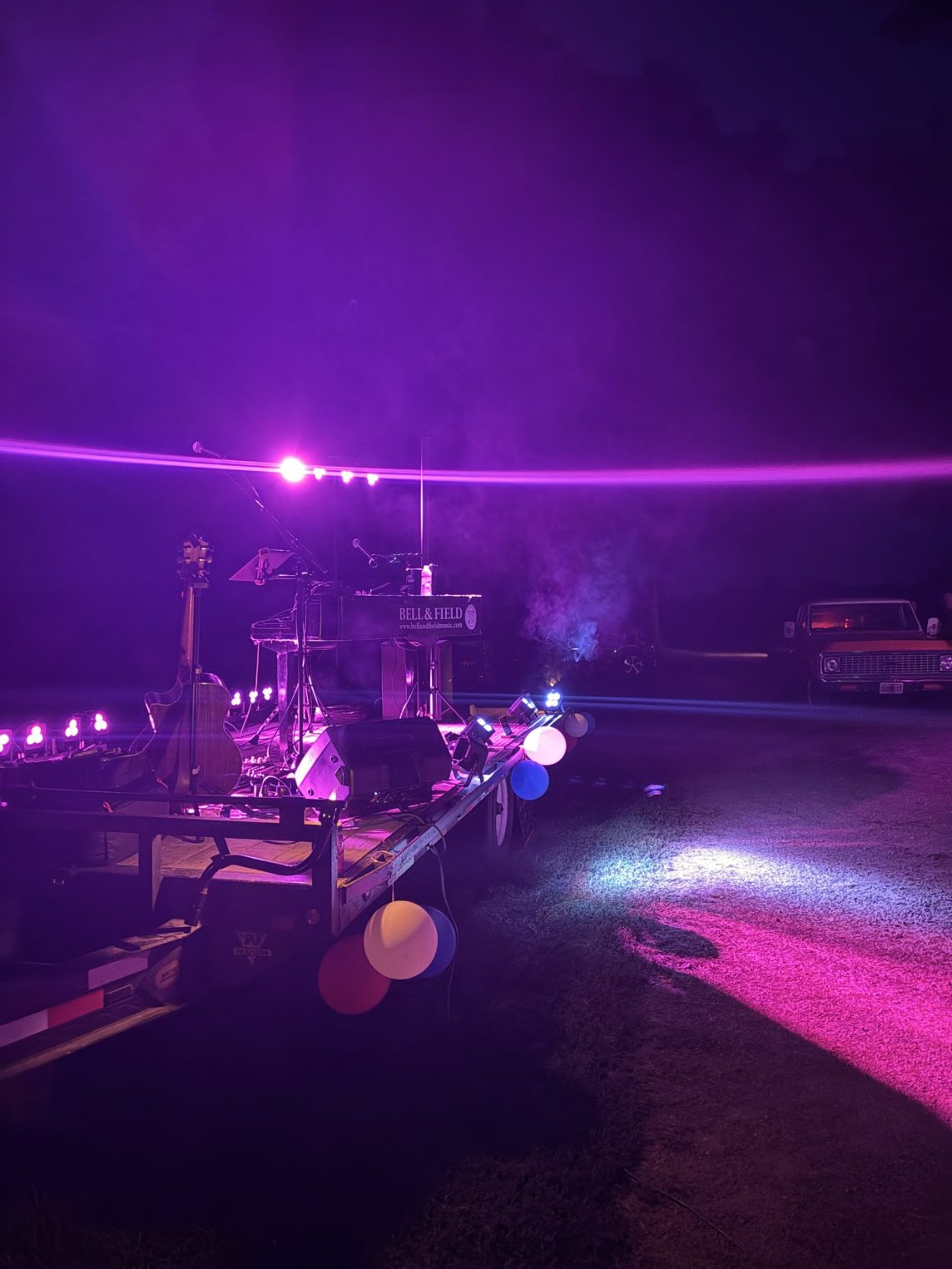
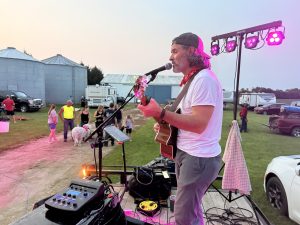 Before we left for this private party, we ran through A Horse with No Name one more time.
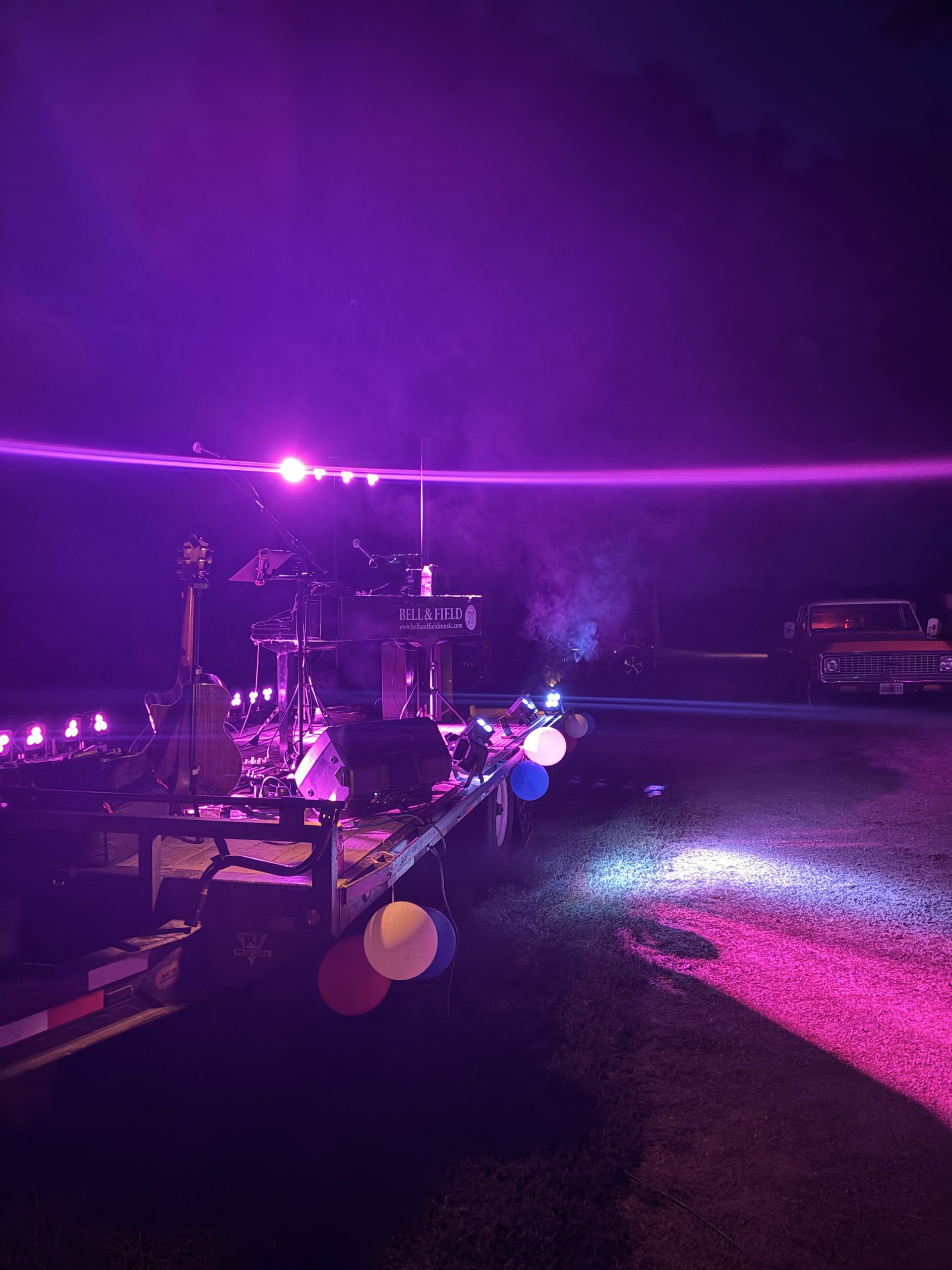
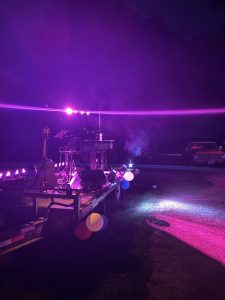 Once the sun was out of the way, the lighting setup got to do its part. Greg does not simply run one sound-synced program and hope for the best. He has different scenes arranged for different kinds of music, so he rotated the lights throughout the night.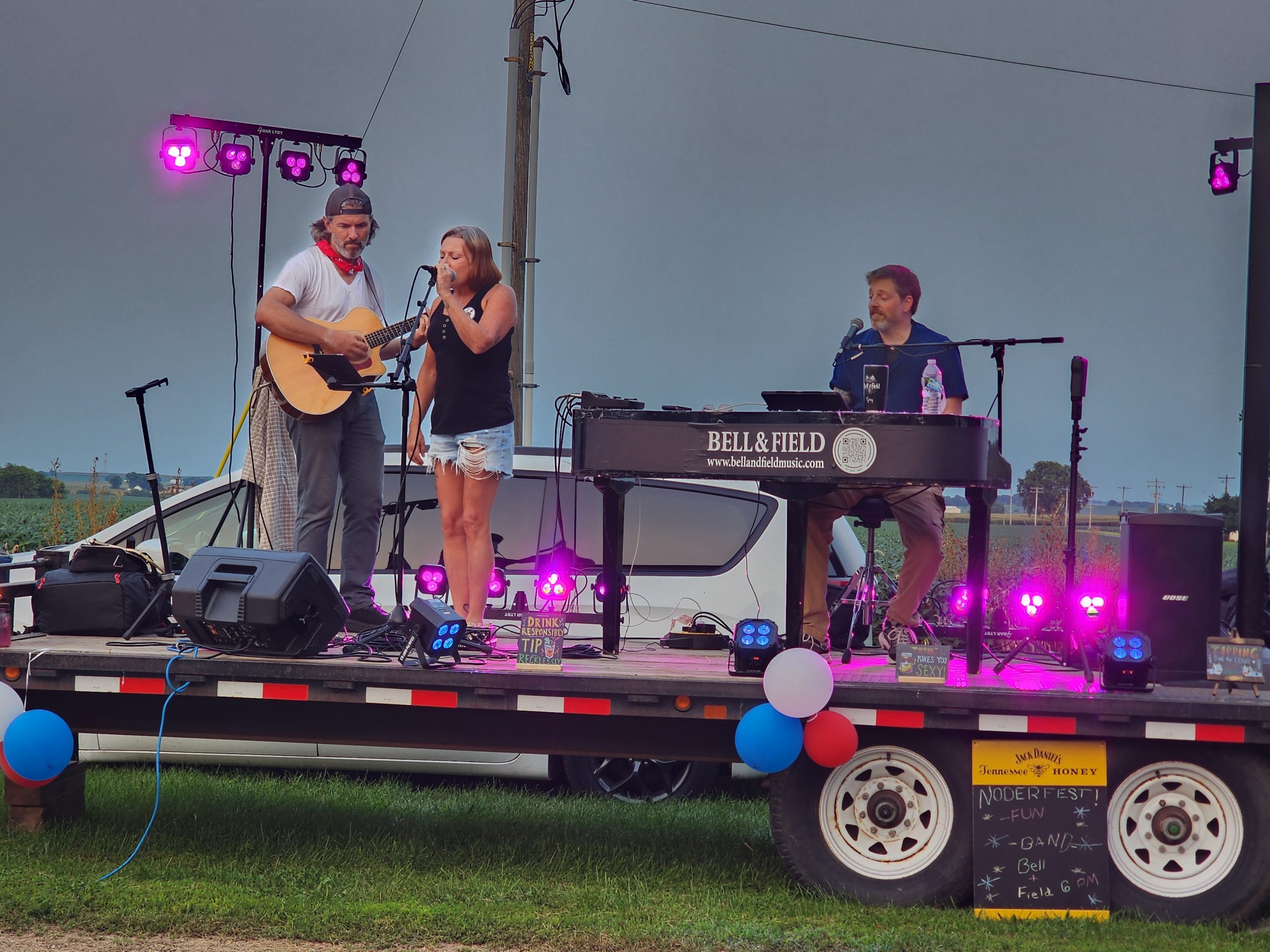
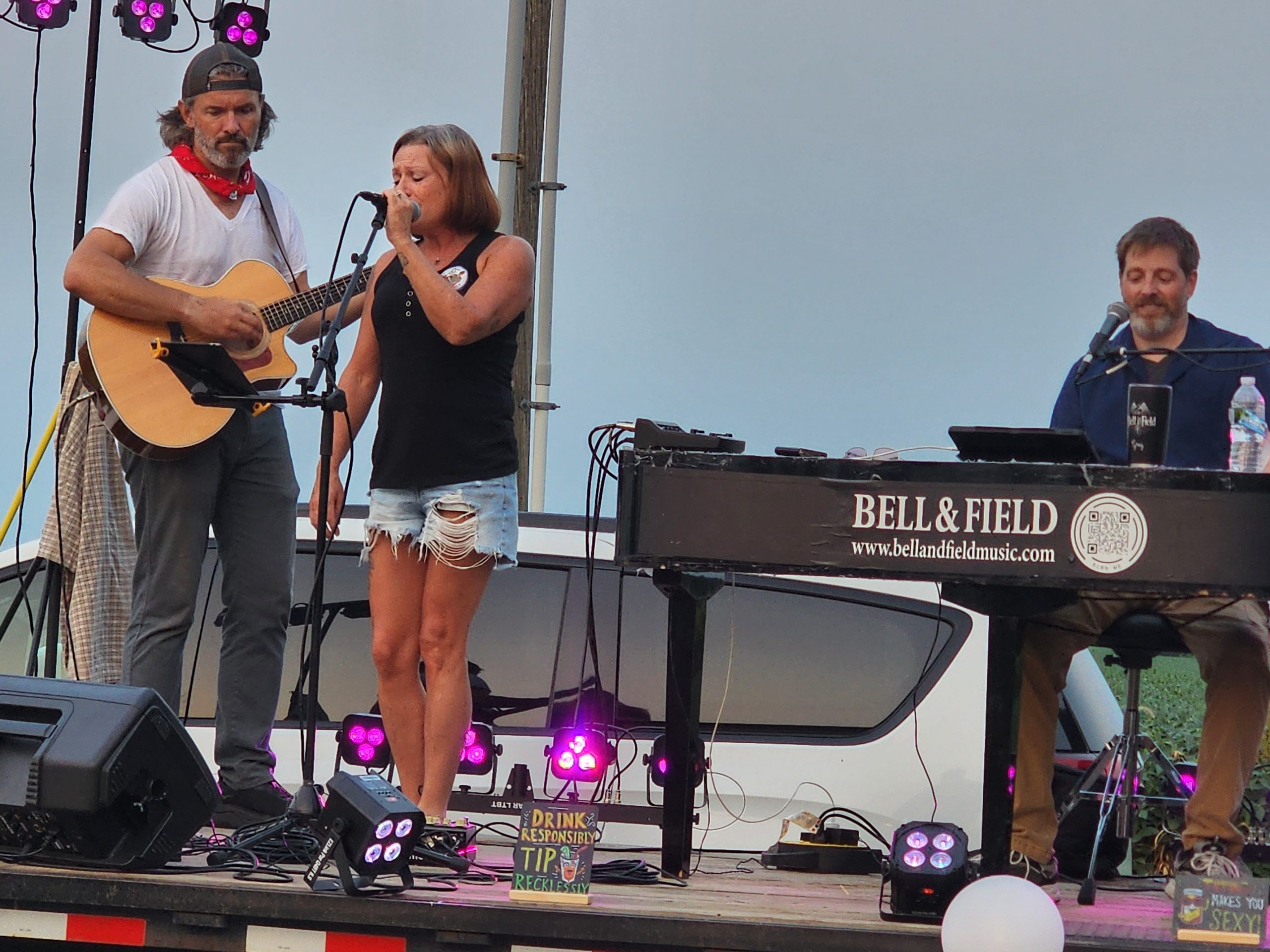
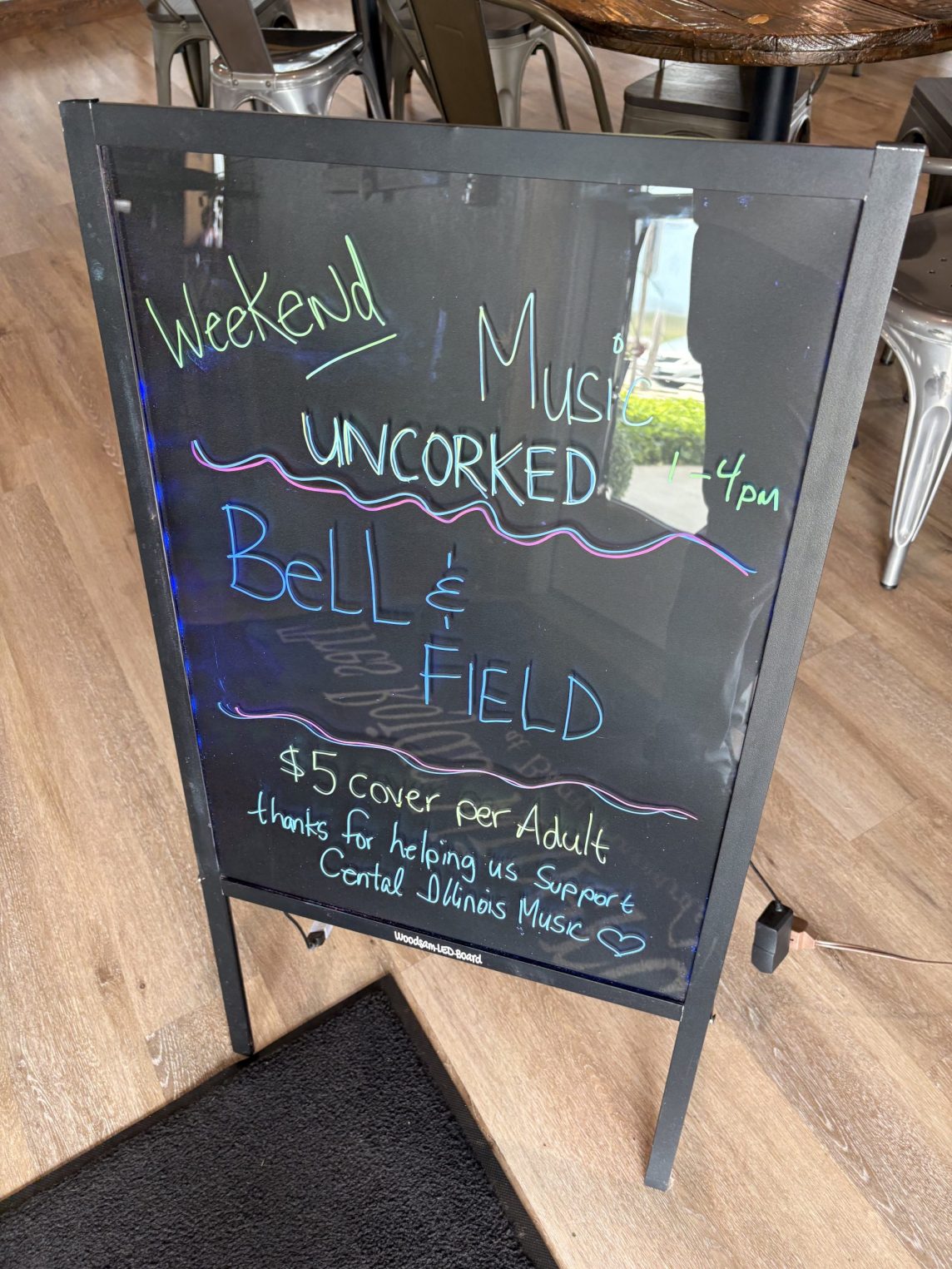
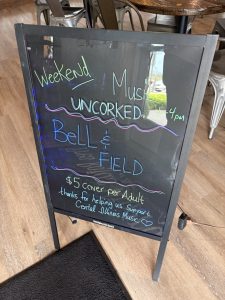 Sunday afternoon shows are starting to grow on us. There’s something about loading out while there’s still daylight that feels like we’re getting away with something.
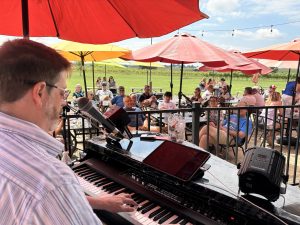 When we arrived, Lisa welcomed us, recorded a quick pre-show welcome video (Tom handled the talking; Greg did his usual “stand there and try not to look awkward” routine), and showed us where to pull the cars around back so we could unload right next to the performance area. We will never stop appreciating an easy load-in.
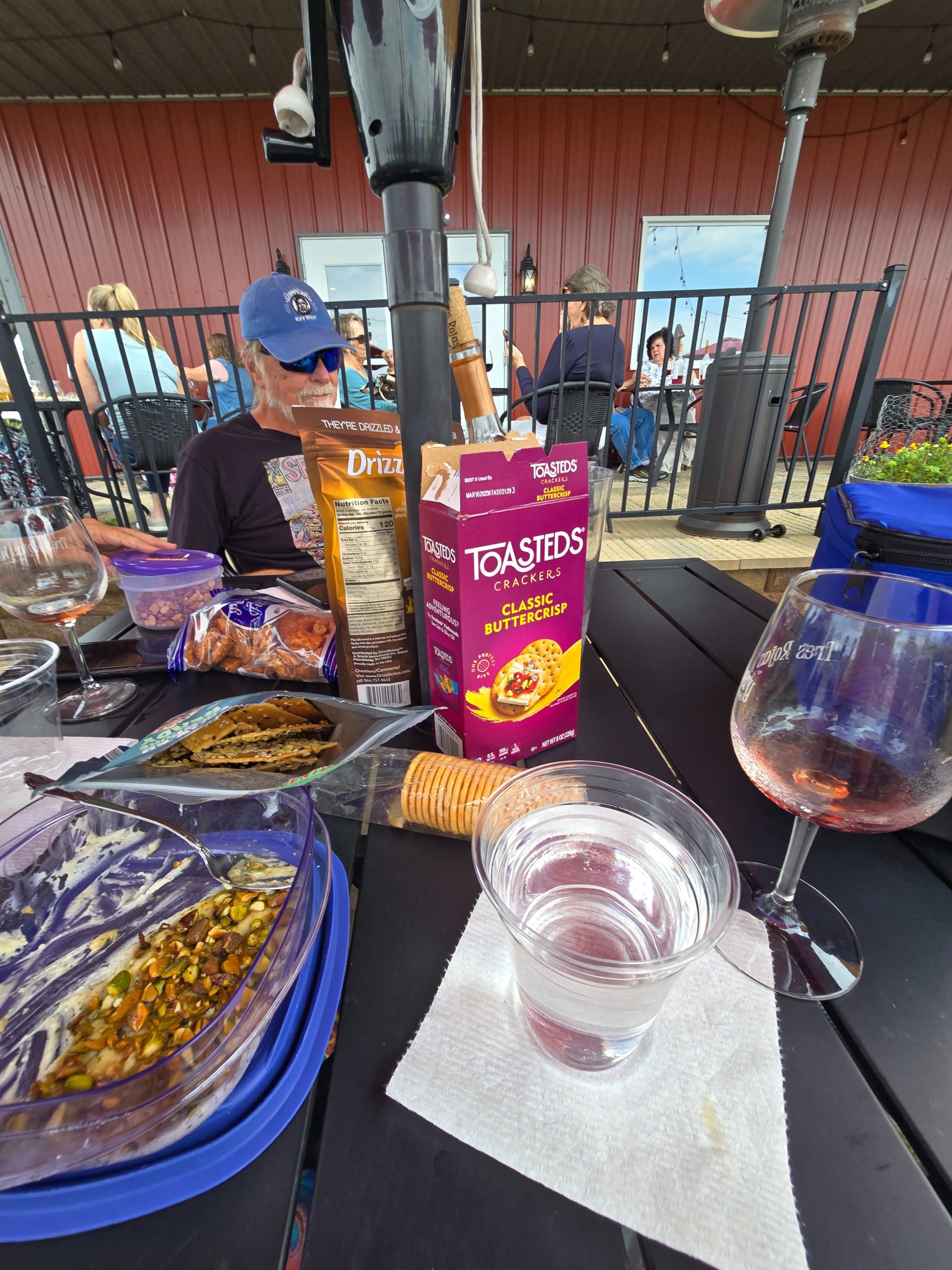
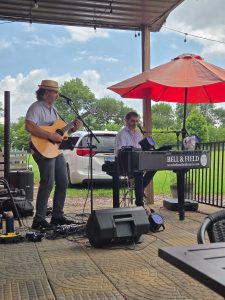 We’d played the night before, and Greg’s voice had already taken a beating. He’d slept badly, got up around 7:00 a.m., and by the first song at Tres Rojas, it was clear his voice was mostly air.
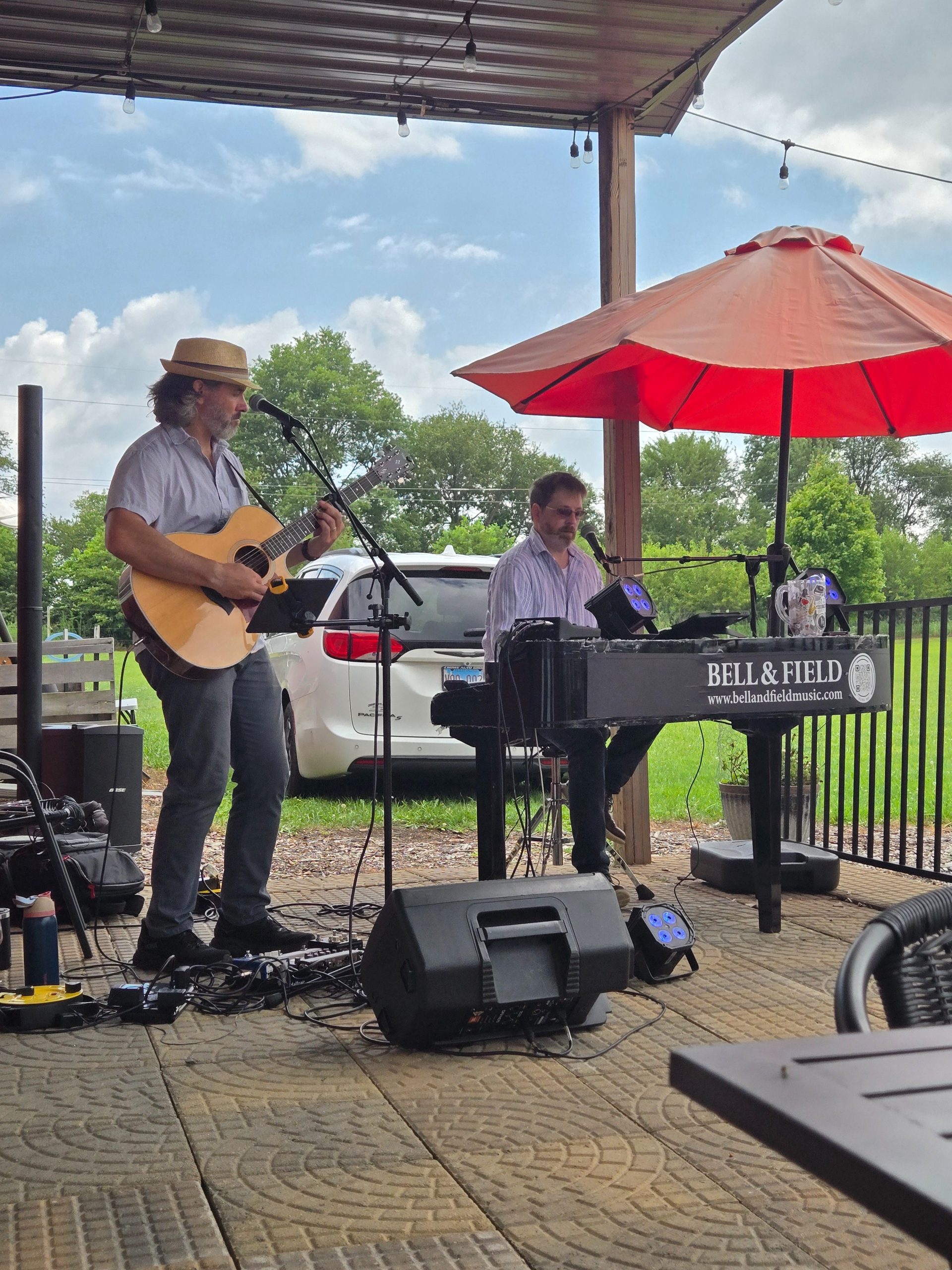
 Tom also took a few solo turns, including “Heart of Gold” and an original called “Our Time,” which Greg hadn’t heard him play in ages. There’s a different kind of focus in the air when we play an original. Covers tend to trigger shared memories; originals ask everyone to lean in and listen to a story they’re hearing for the first time.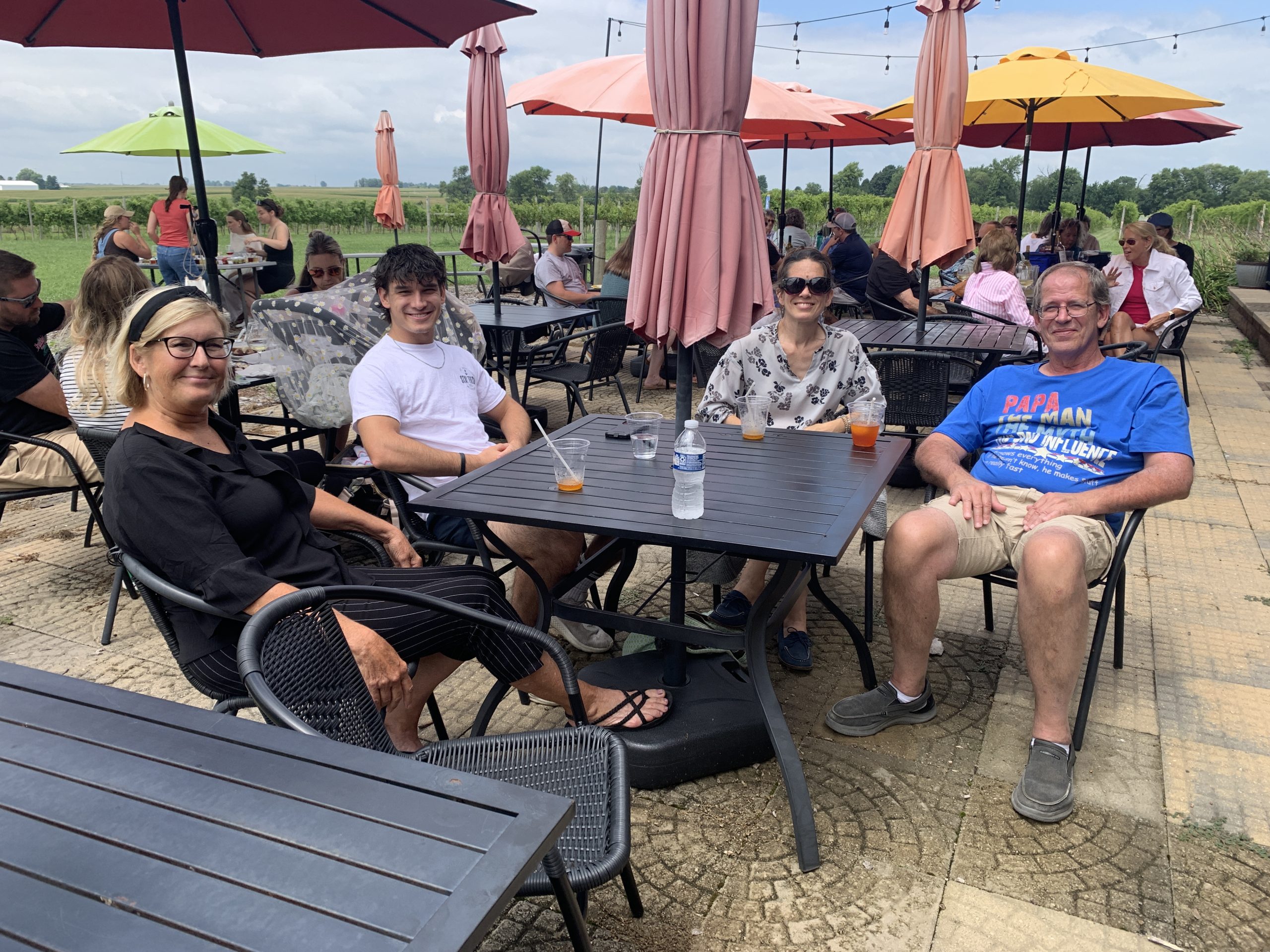
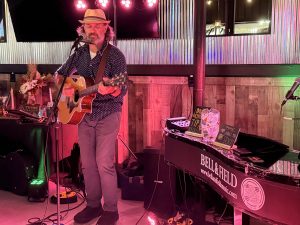 We’d heard about Tiny Acres out near Monmouth, but driving down that long country road for the first time felt a little like we’d taken a wrong turn into someone’s private farm lane. Then the trees opened up, the pond came into view, and suddenly there was this whole little event world laid out in front of us.
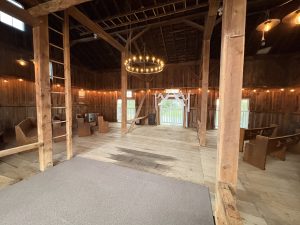 The place itself is impressive. There’s the 1850s ceremony barn up on the hill, looking over the pond, with rows of chairs set up like it’s permanently five minutes before a wedding. There’s an overnight cabin, outdoor spaces with grills and picnic tables, and the main event building where we played. You can tell somebody actually thought about how people move through this place.
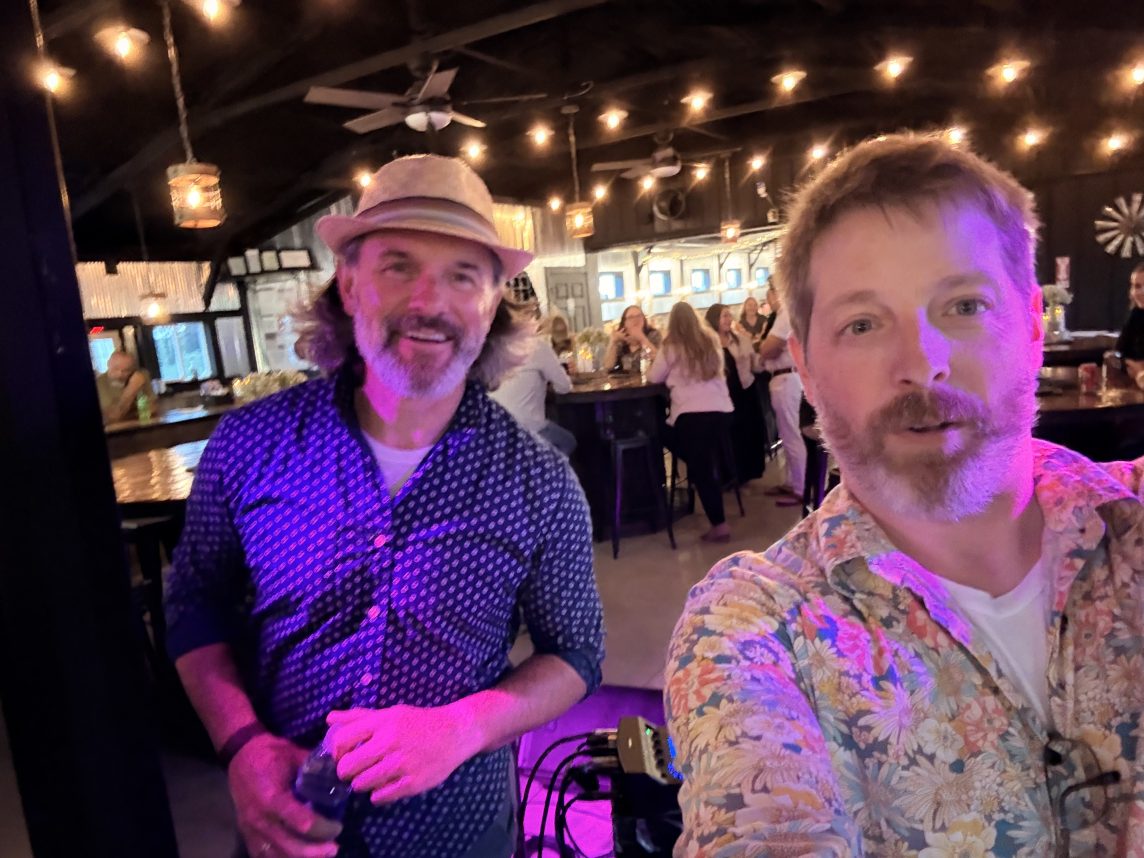
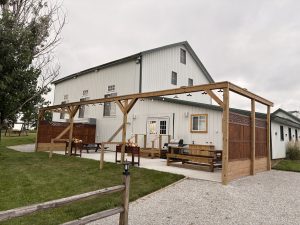 Once we got set up and sound‑checked, we realized this room was built with sound in mind. No weird slapback echo, no dead zone at the far end. People could be standing at the bar and still hear the music clearly, but we never felt like we were blasting anyone out of their chairs. It’s rare that a long, rectangular room feels that balanced, and this one did.
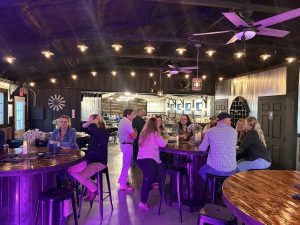 Somewhere later in the night, someone tossed out a request for “Gin and Juice.” Not exactly in the Bell & Field standard catalog. I gave it a shot anyway—one verse, acoustic, very tongue‑in‑cheek—then stopped, laughed, and admitted that was probably as far as I could responsibly take it. That one verse got a bigger reaction than some full songs, and it reminded me how sometimes you don’t have to nail a request to make it fun; you just have to meet people halfway.
 We packed up through that magic load‑in door, said our goodbyes, and headed back down the long road to Monmouth. On the way out of town, we hit Taco Bell, debriefed the night, and started game‑planning our show at Tres Rojas Winery the next day. It’s hard not to feel lucky when your “work meeting” is about playing songs you love and eating bean burritos and tacos.